
Our History
For twenty years, Emerick Architects built its work around a quiet conviction: beauty is something worth tending. Preservation, sustainability, and craft were never slogans, but the steady rhythm of our days. Clients came not for spectacle, but for partnership—for a shared understanding that asked everyone involved to remember what mattered. Every project began with the same simple truth: the buildings that shape our lives should honor the lives that shaped them first.
Looking back, the Projects page became a record of what we made. Walls raised. Homes restored. Neighborhoods renewed. It documented outcomes. The Sketchbook, meanwhile, held something more fragile and more human. It carried early graphite smudges, field notes written in muddy boots, mockups held together by hope, and the sense of wonder that guided every line we drew. It revealed the how behind the what, inviting others into the careful thinking that gave each place its meaning.
As this practice comes together in a single space, those threads naturally reunite. What we built and how we built it are inseparable again. Finished places and the sketches that preceded them sit side by side, reflecting the way we worked. Over time, these pages began to tell a story larger than any one project—shaped by gratitude for the past and care for what comes next. They remind us that our work was never about buildings alone, but about people, memory, and the belief that places can hold emotion long after the drawings fade.
Sketchbook
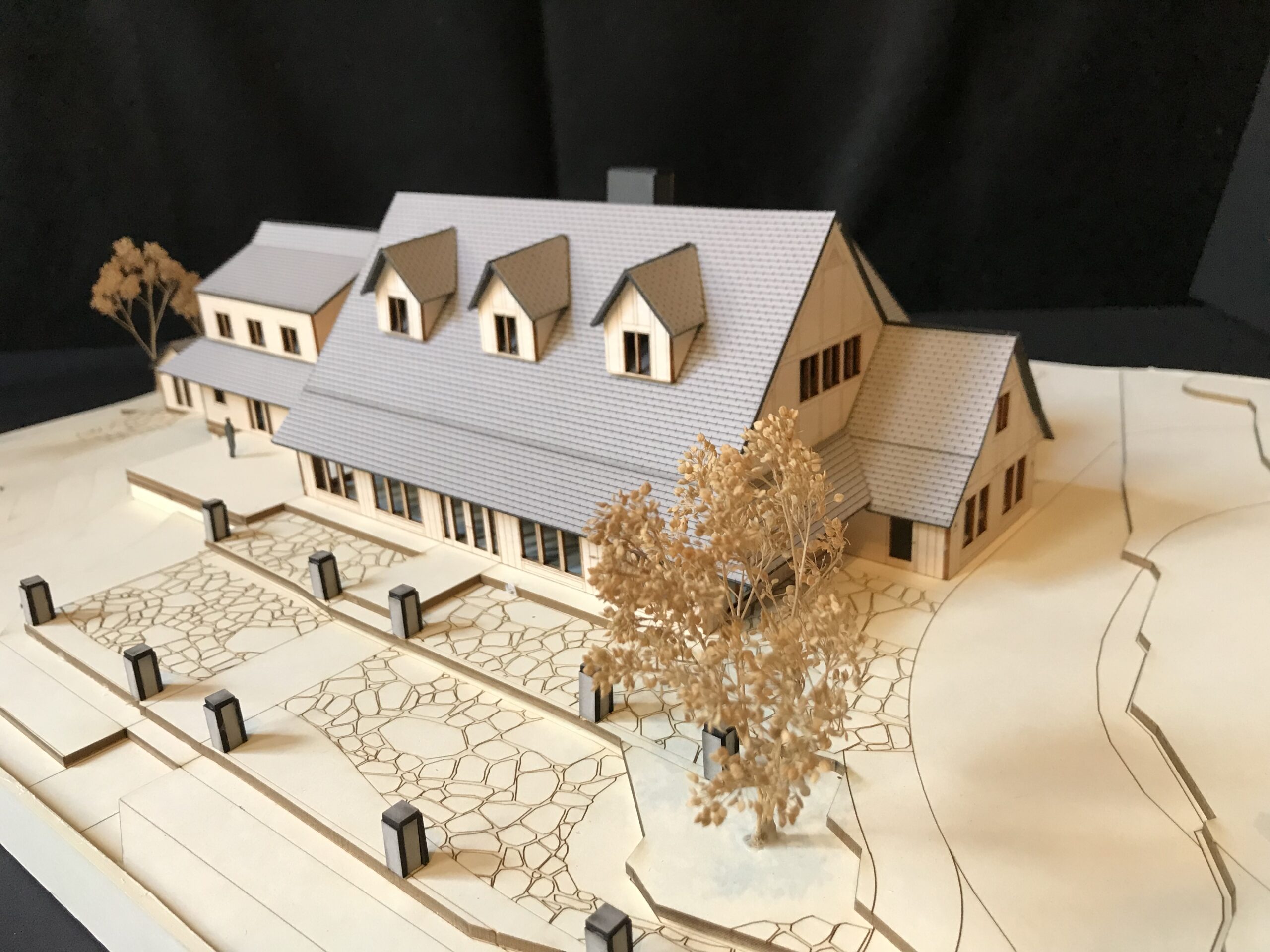
The Sketchbook became our way of remembering the heart of the practice. It gathered decades of small victories and quiet revelations. Here were early sketches where a roofline first found its balance; in-progress photos of craftsmen coaxing new life from old timber; field notes tracing how sunlight slipped through a century-old window frame. In these pages, we slowed down enough to see the work before it was resolved.
The Sketchbook offered a backstage view into the joy and uncertainty of making something meaningful—the problem solving, the revisions, the small moments that shape every project. Just as preservation asks us to listen for the stories held inside old walls, the Sketchbook asked us to listen for the stories unfolding inside the creative process itself. It held the spirit behind the work, and a quiet reminder that imagination grows richer when we notice its first steps.

Commercial
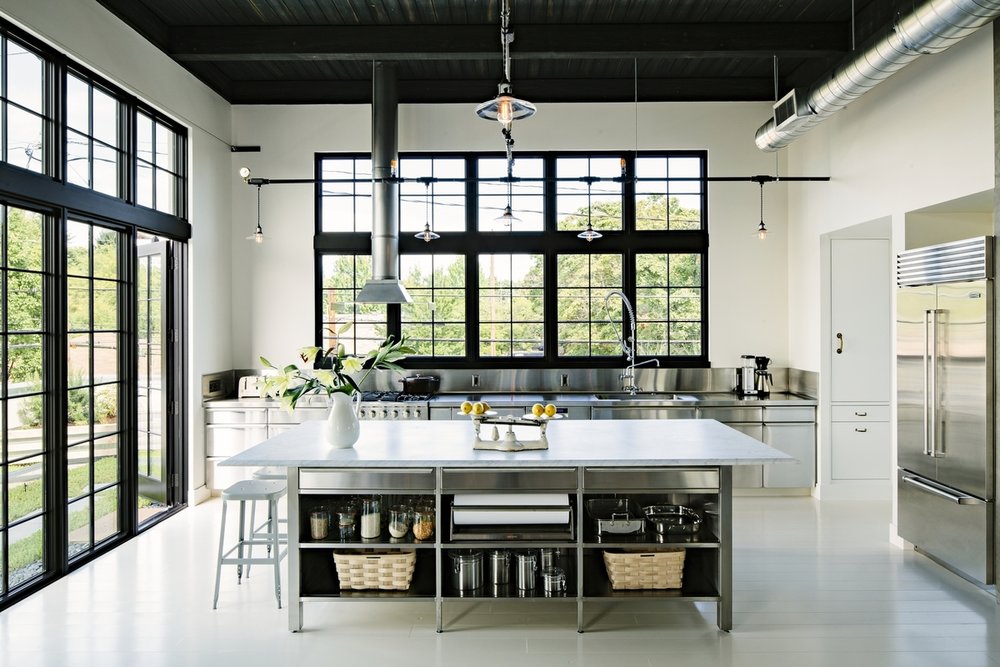
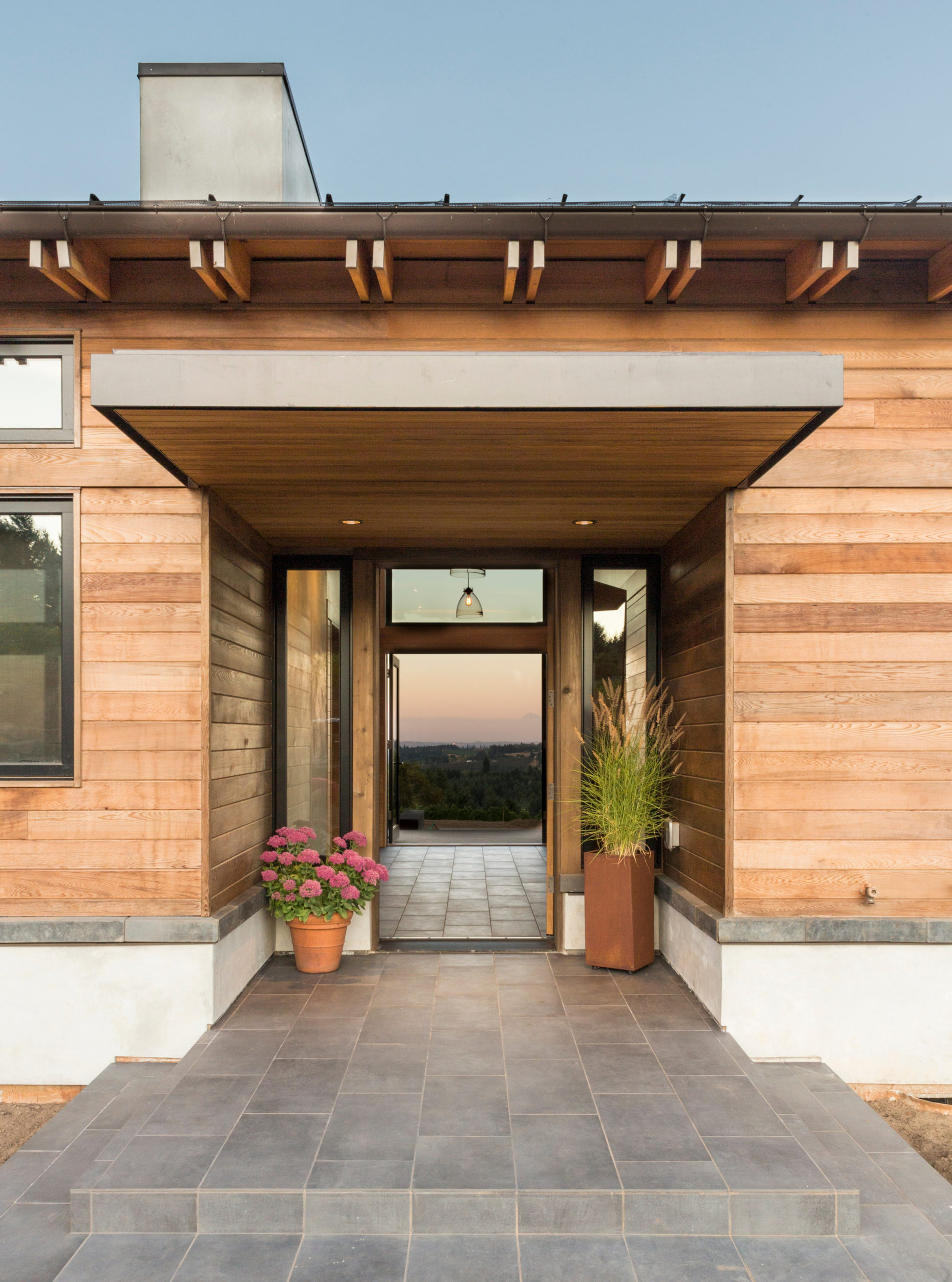
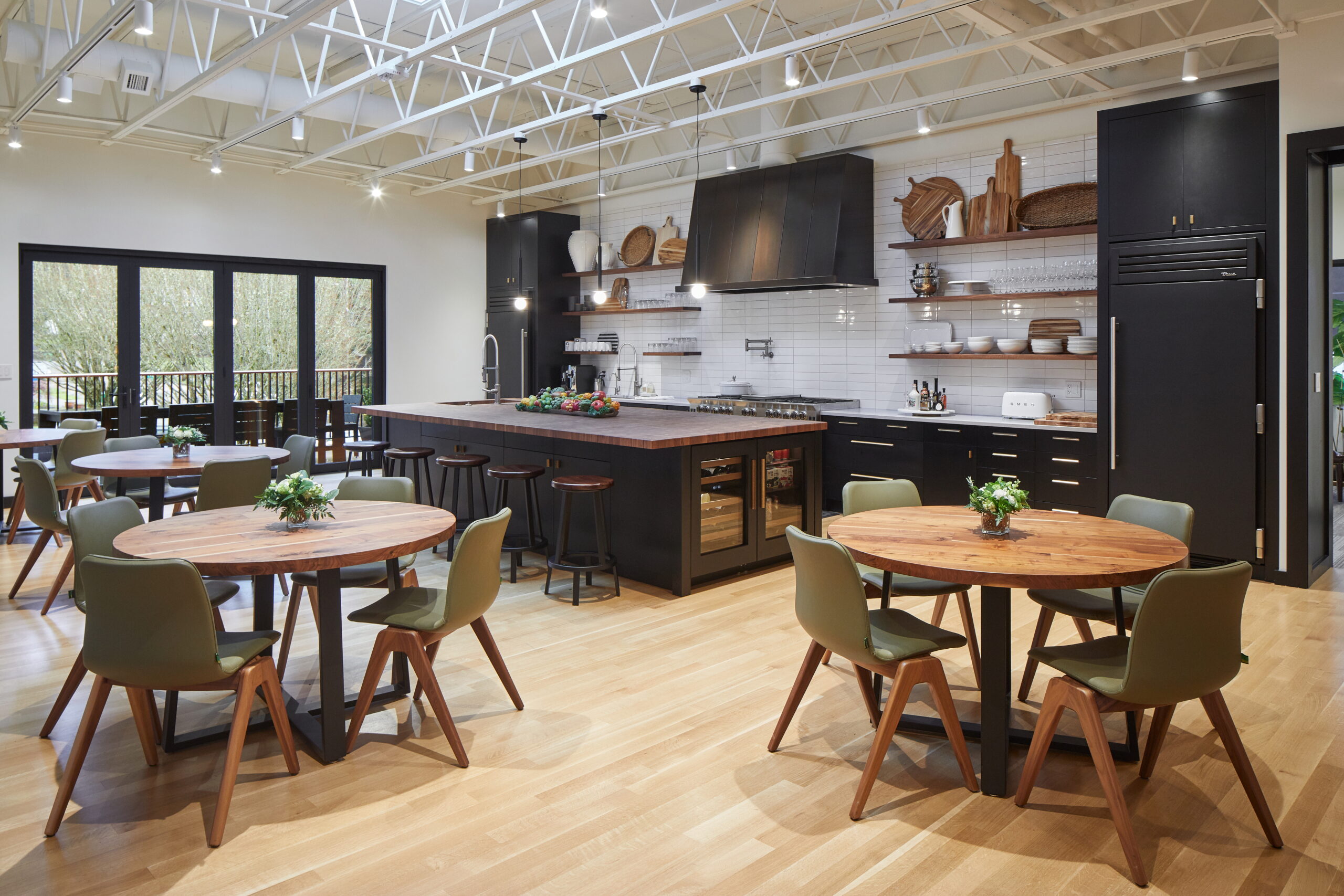
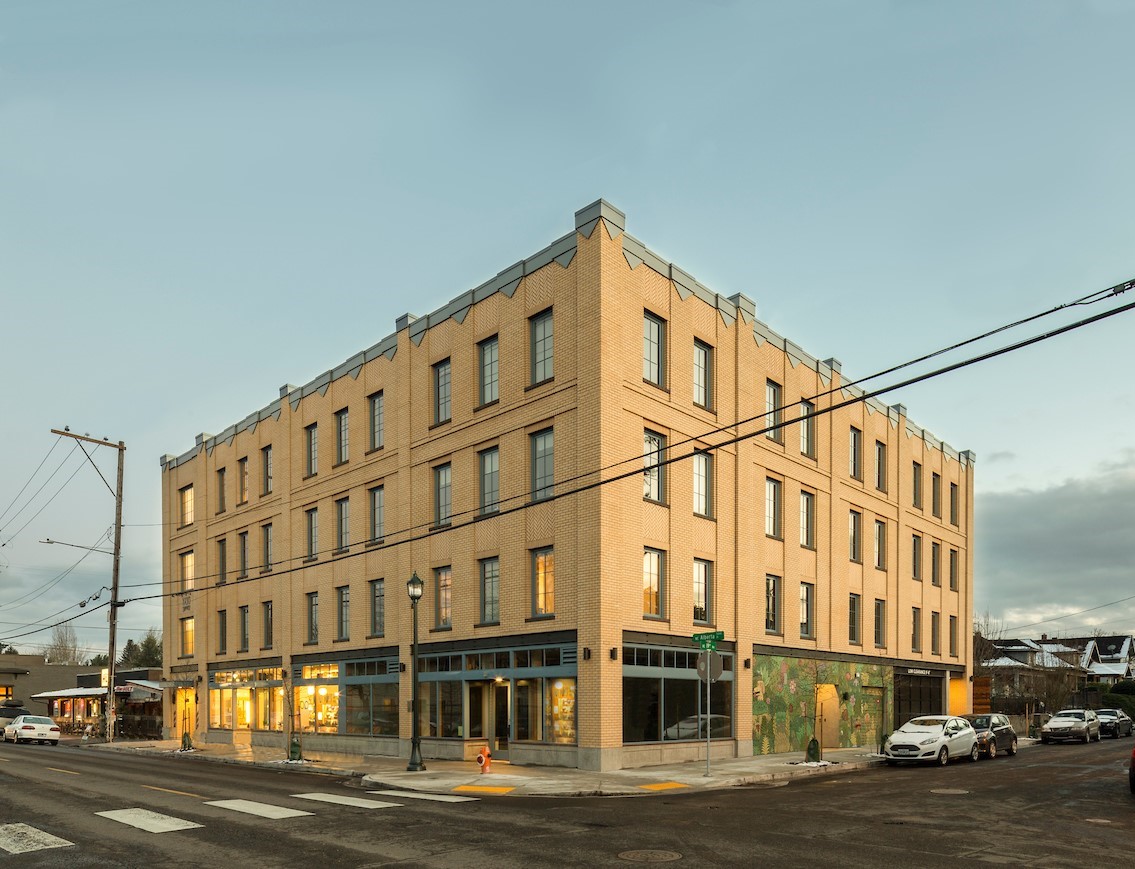
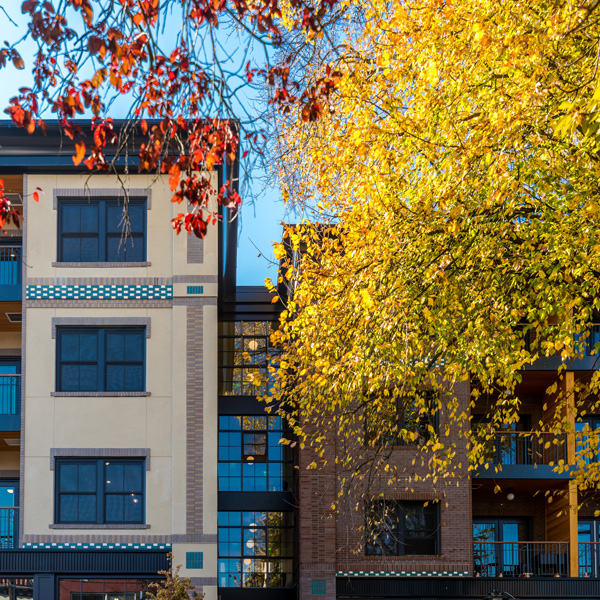
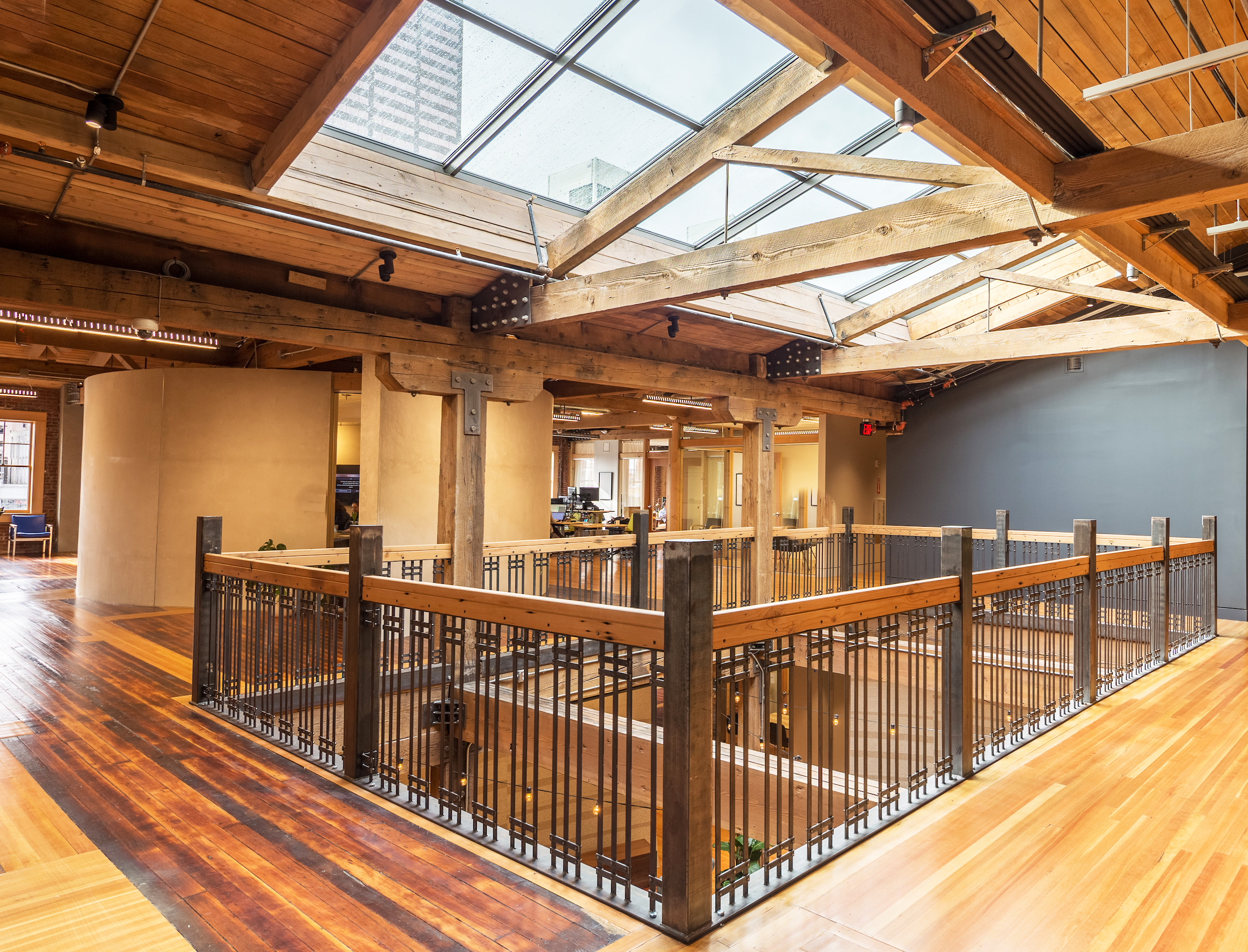
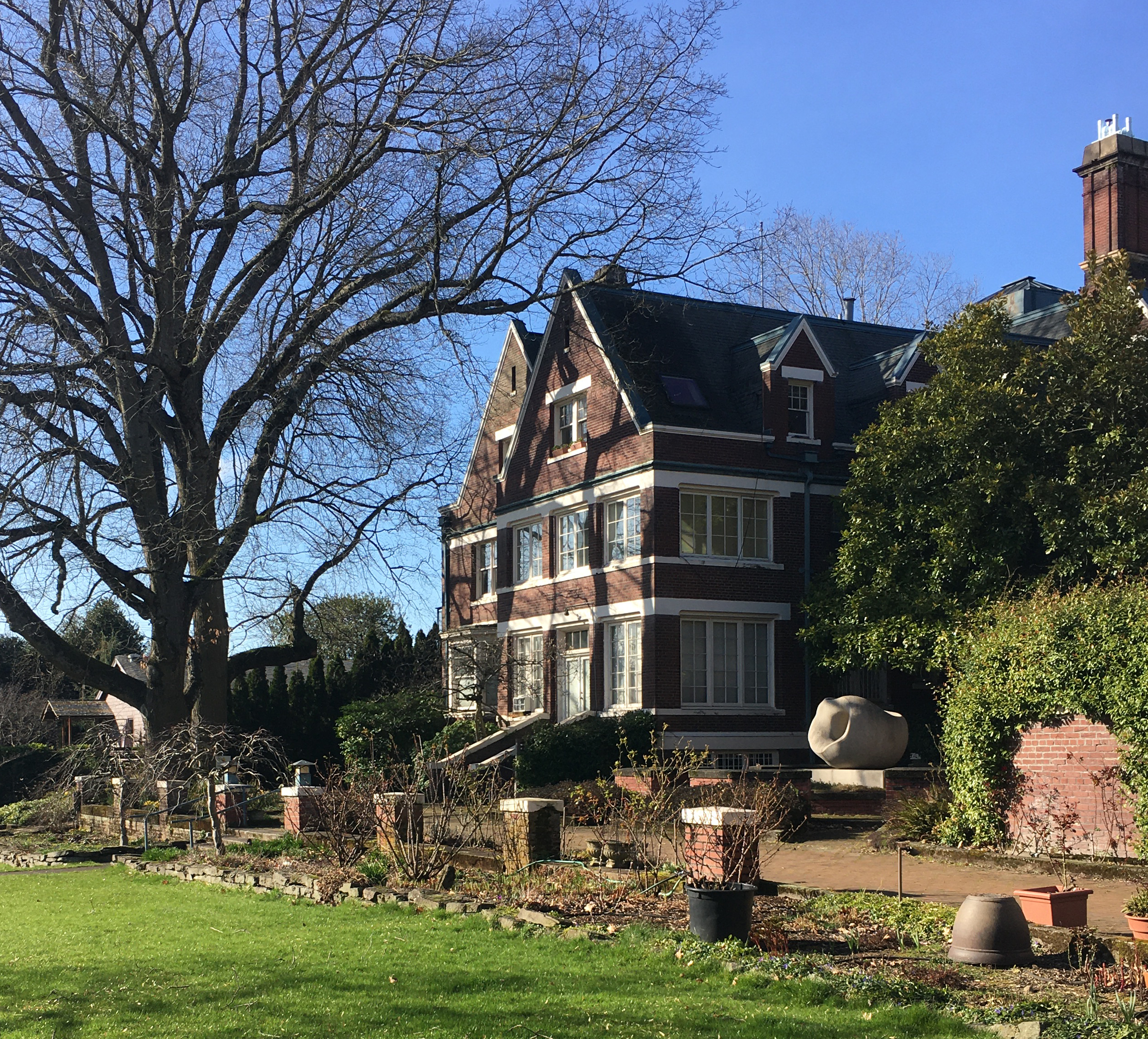
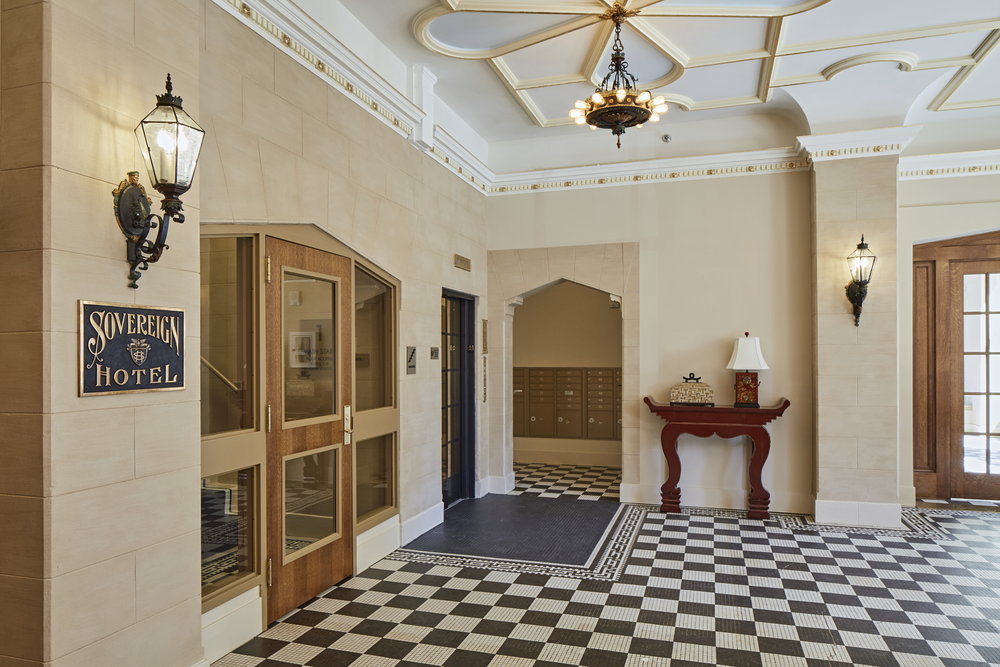
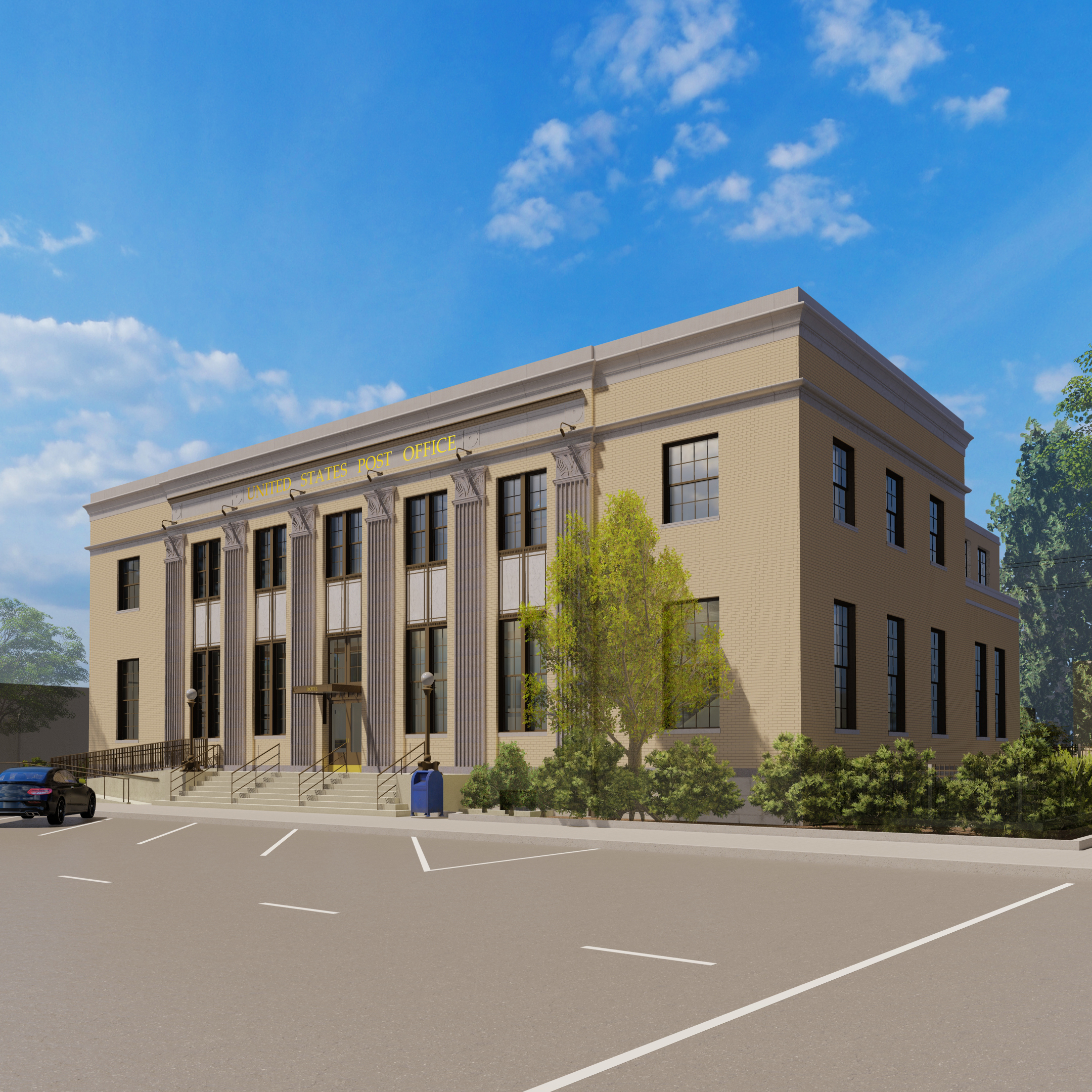
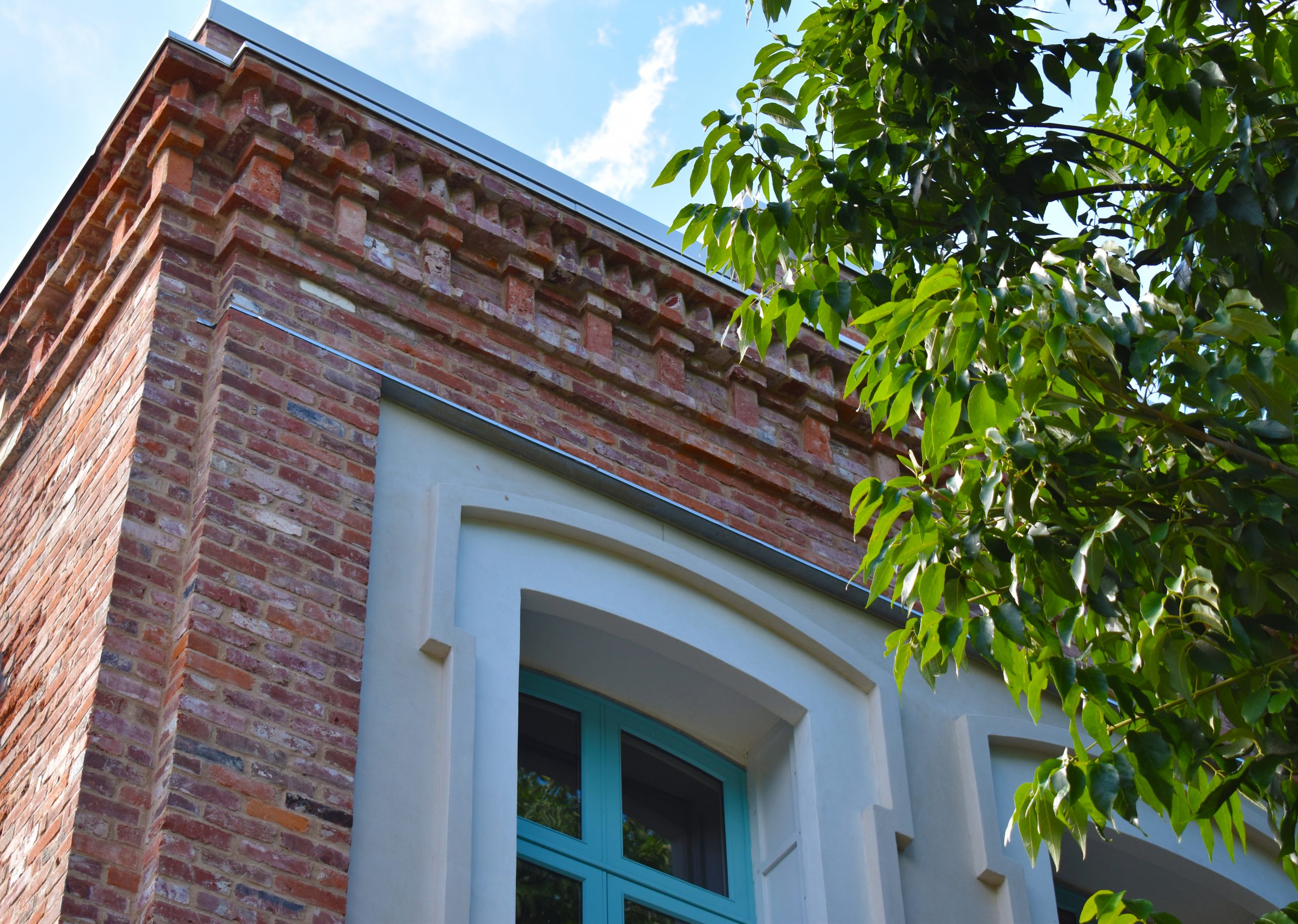
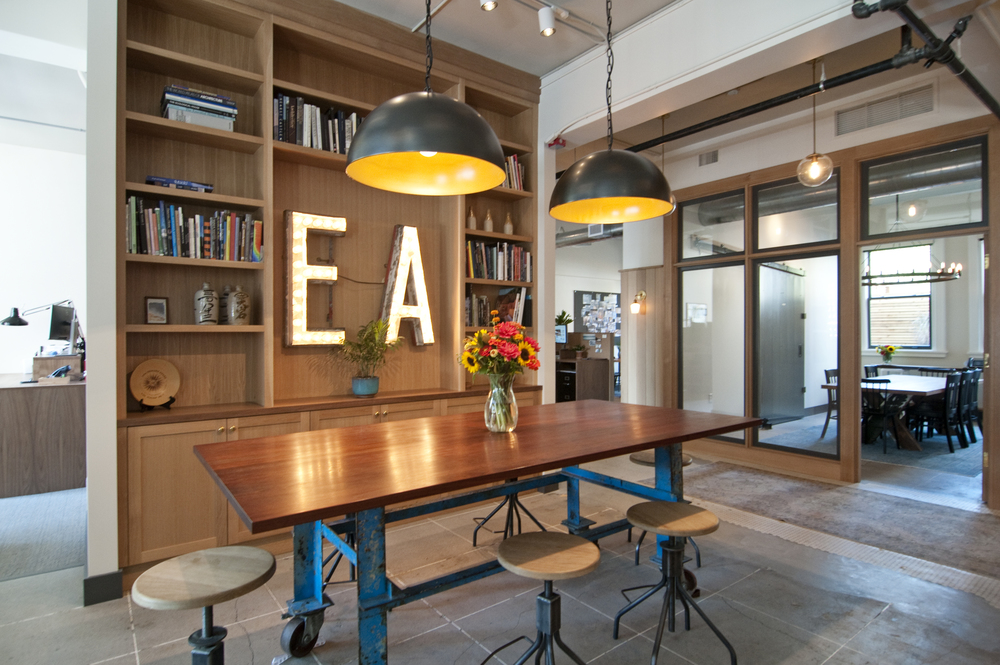
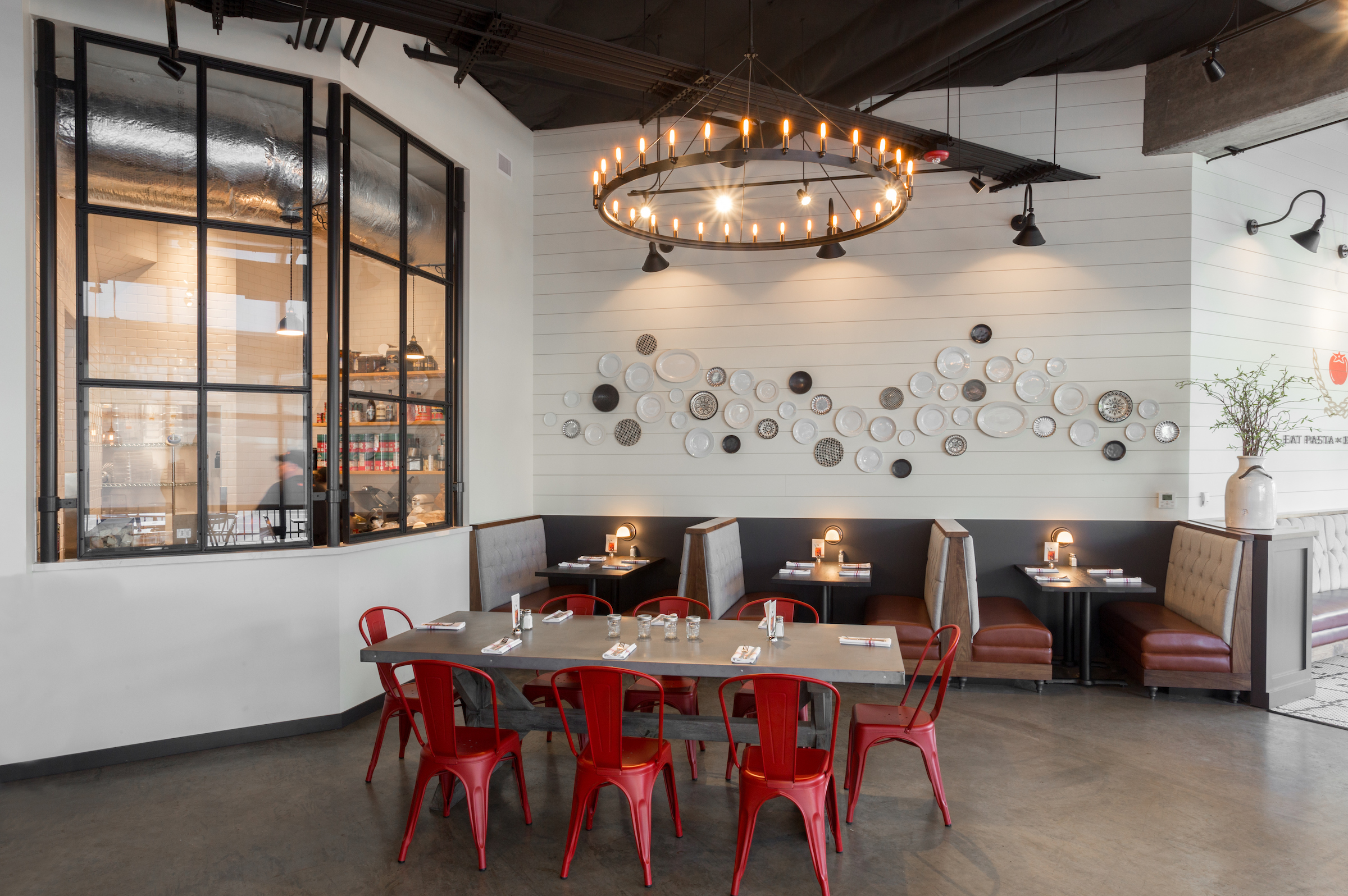
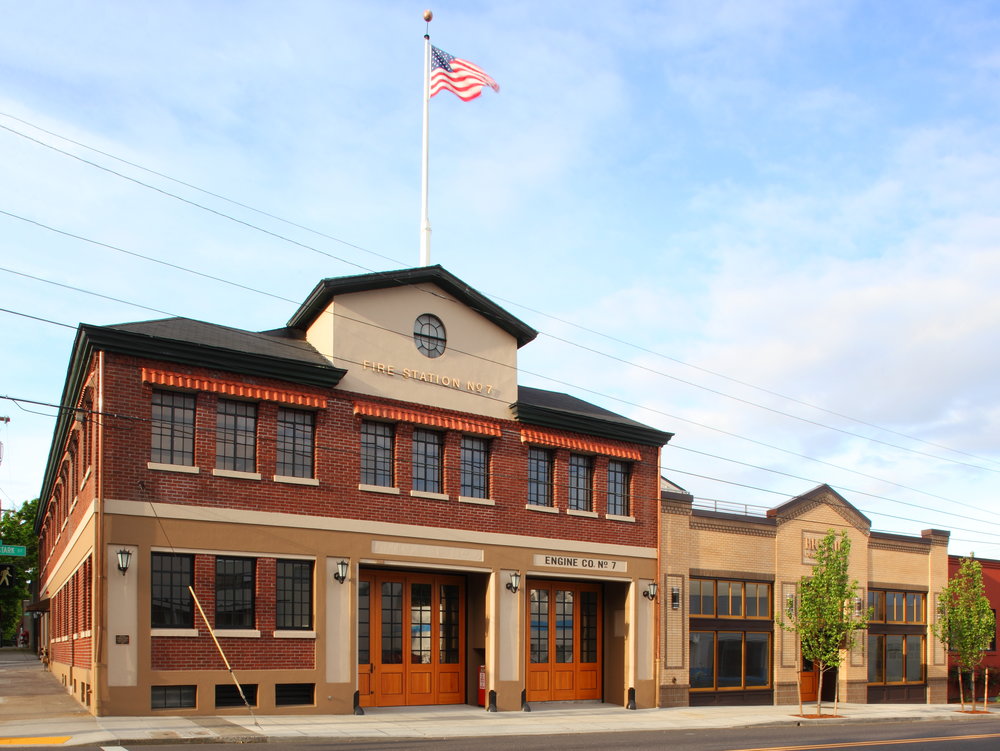
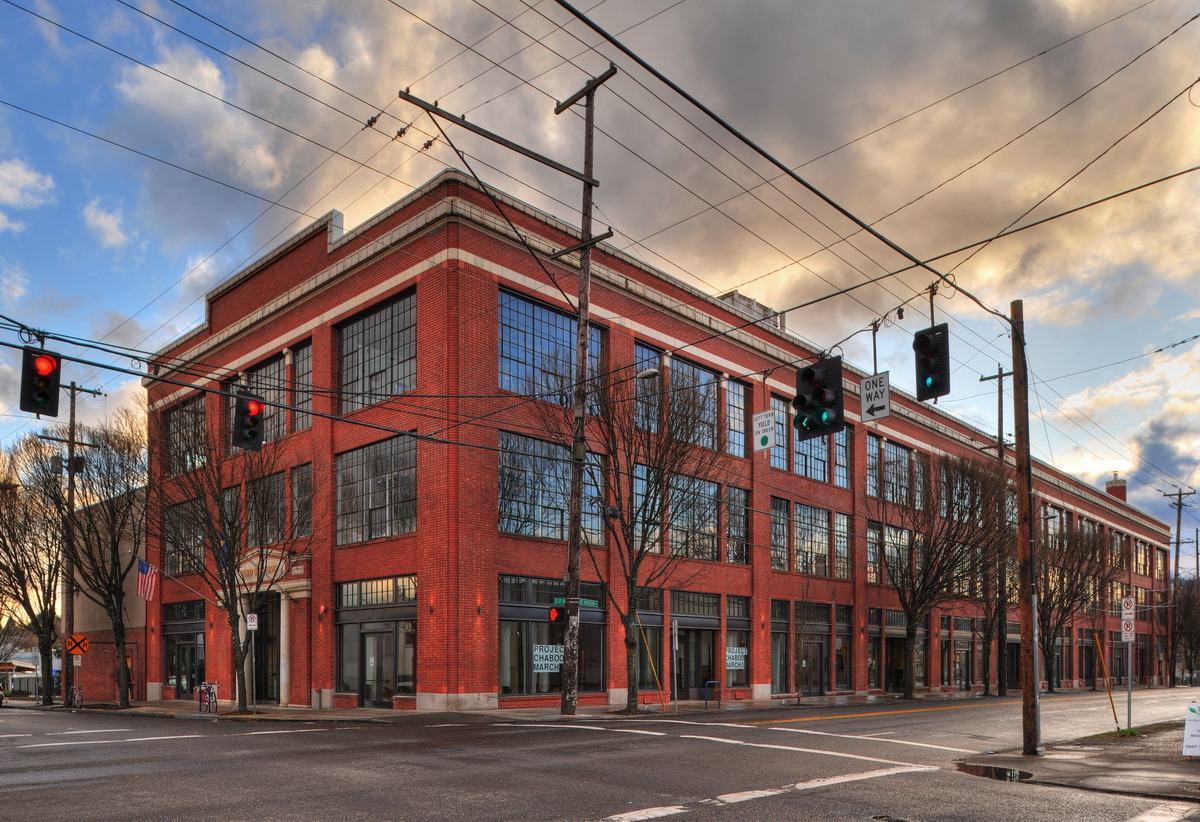
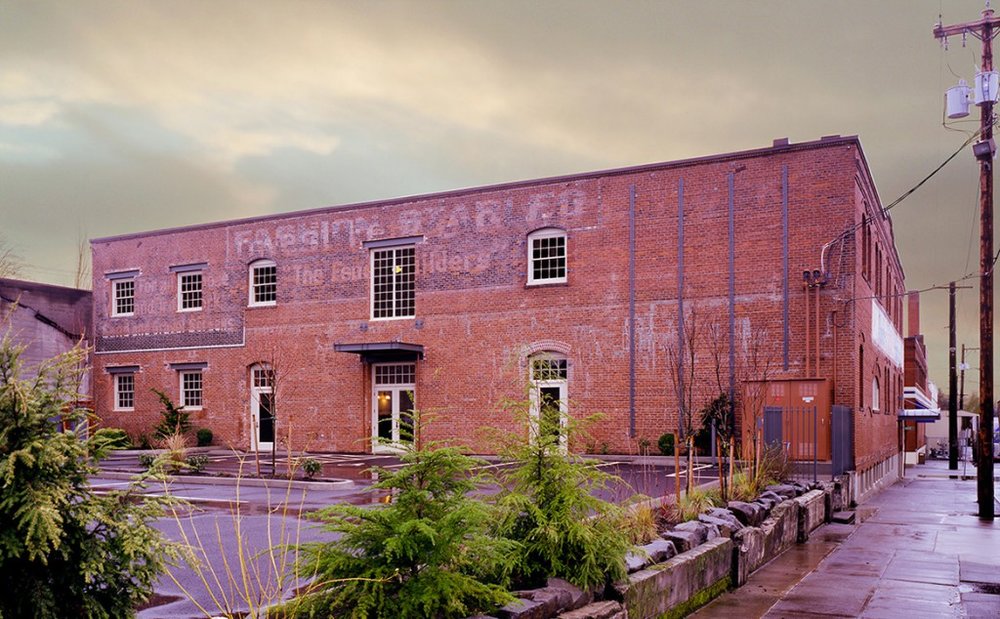
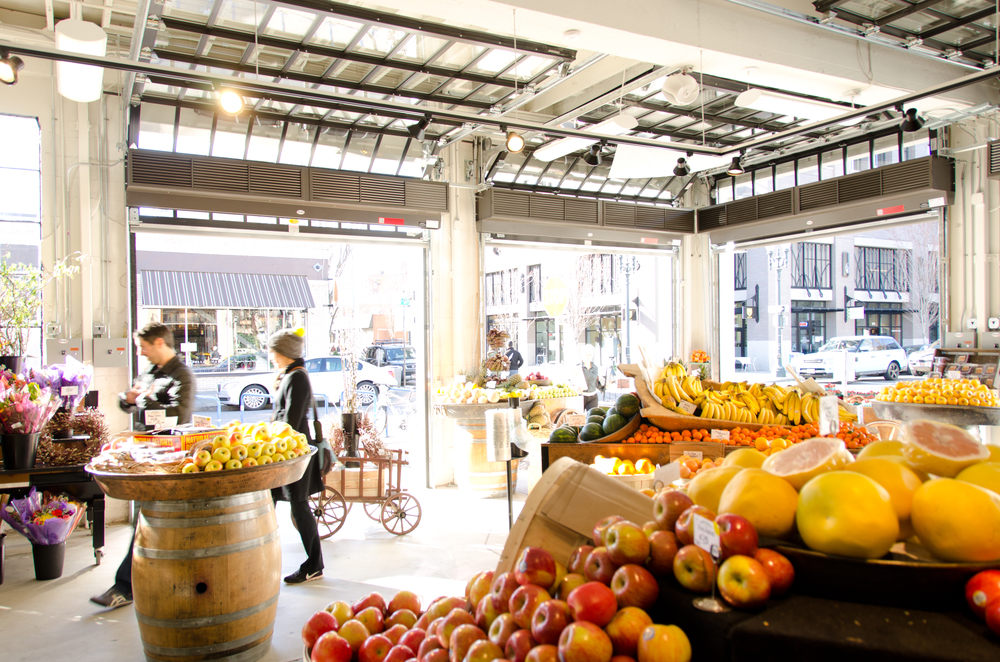
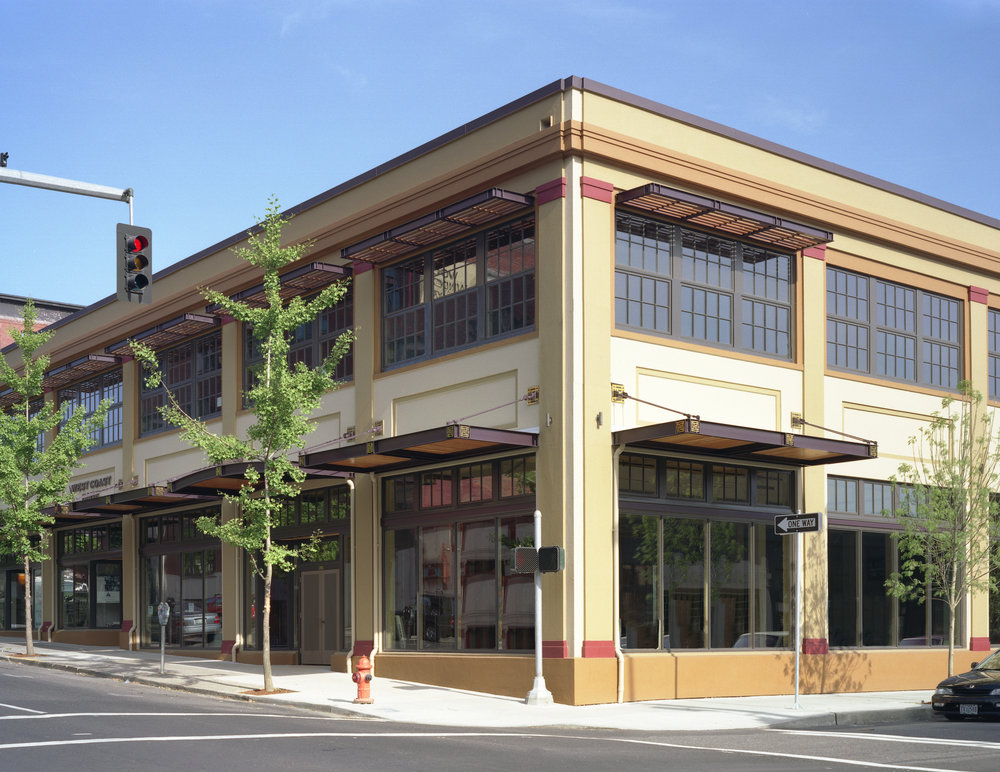
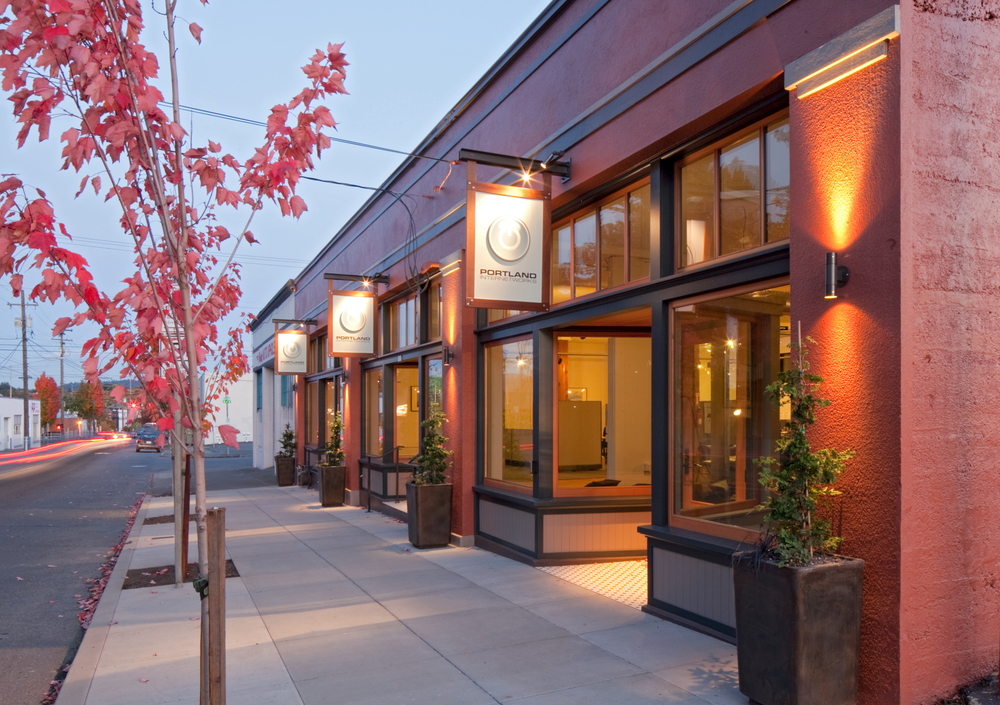
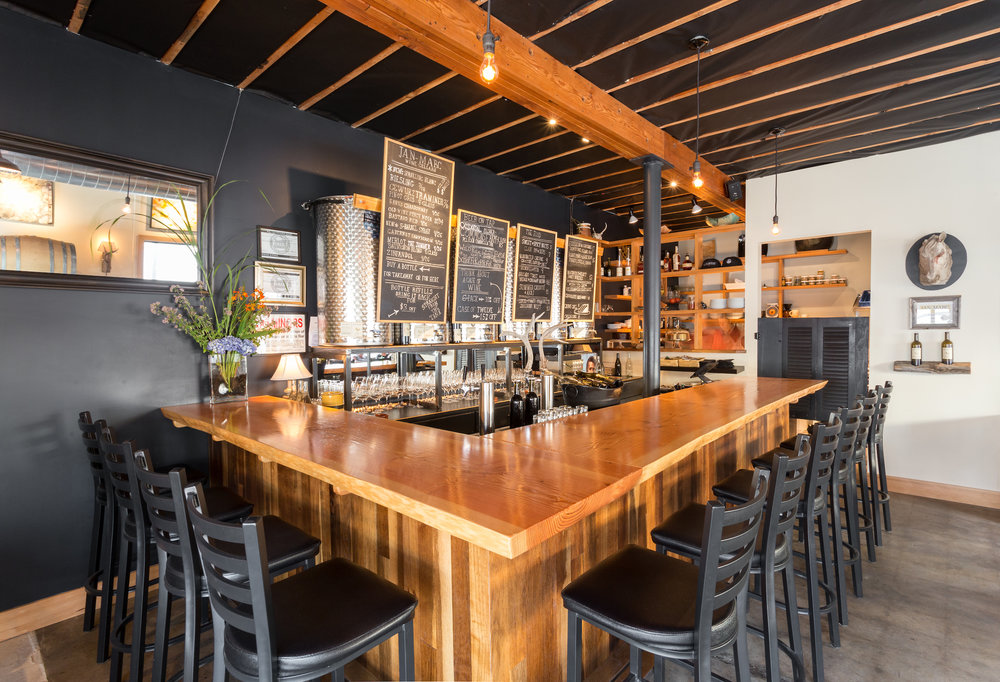
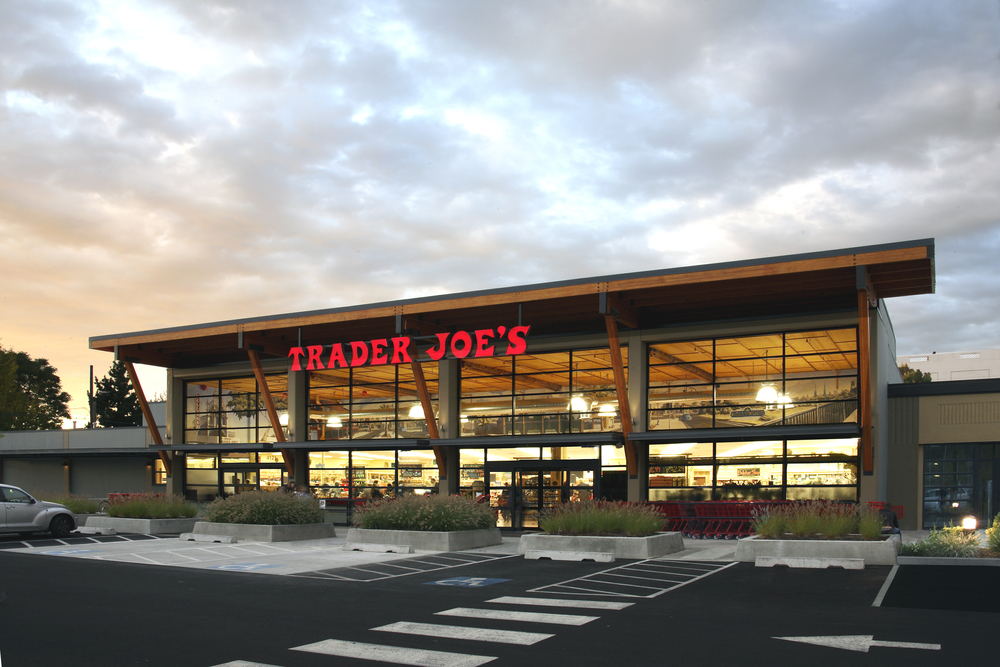
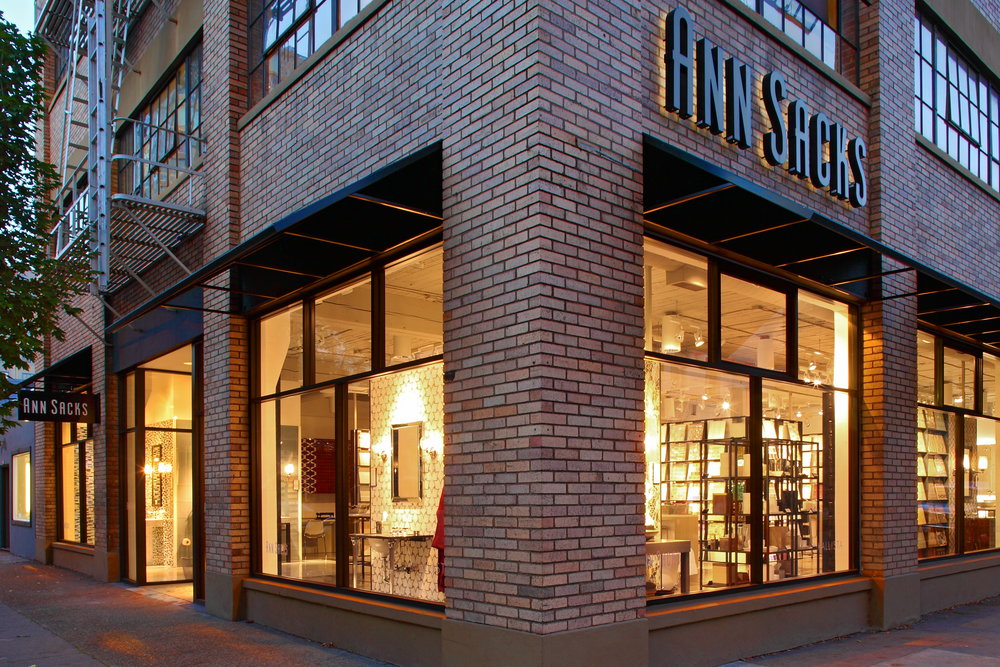
Our commercial work reflects the generosity of communities willing to reimagine themselves. Many of the buildings we touched began as quiet witnesses to the past—factories, storefronts, warehouses shaped by hands we would never meet. Each carried a pulse. We learned that breathing new life into a historic structure is not simply renovation; it is a renewal of the relationship between a place and the people who depend on it.
Adaptive reuse guided much of this work, grounded in a belief we returned to often: the most sustainable building is the one that already exists, and the truest measure of craft is how gently a space is guided into its next chapter. We learned to appreciate brick weathered by decades, timber marked by time, and neighborhoods that rediscovered purpose through thoughtful design. In hindsight, these projects feel like thank-you notes—to the cities that trusted us and the character that made them worth preserving.


Residential
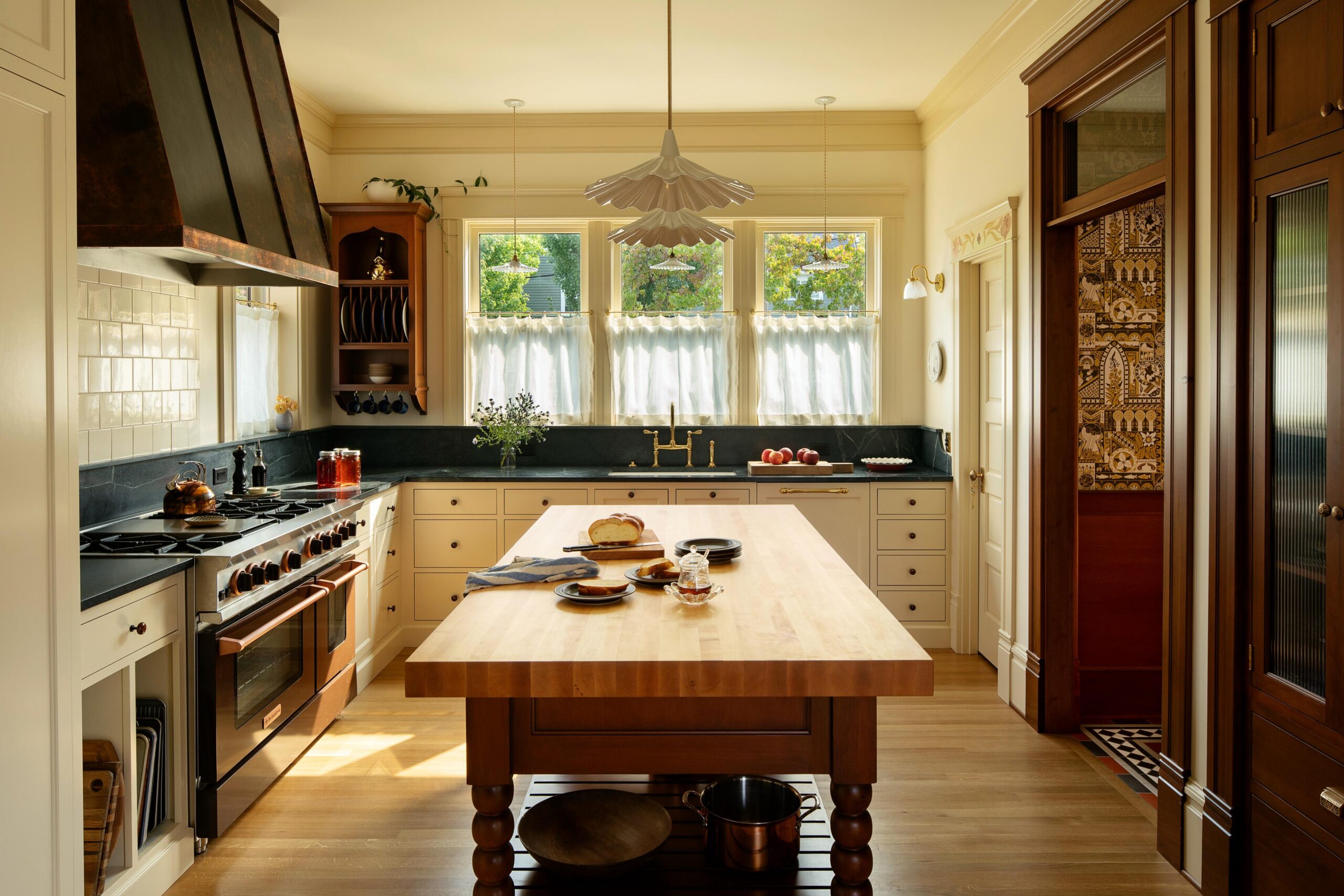

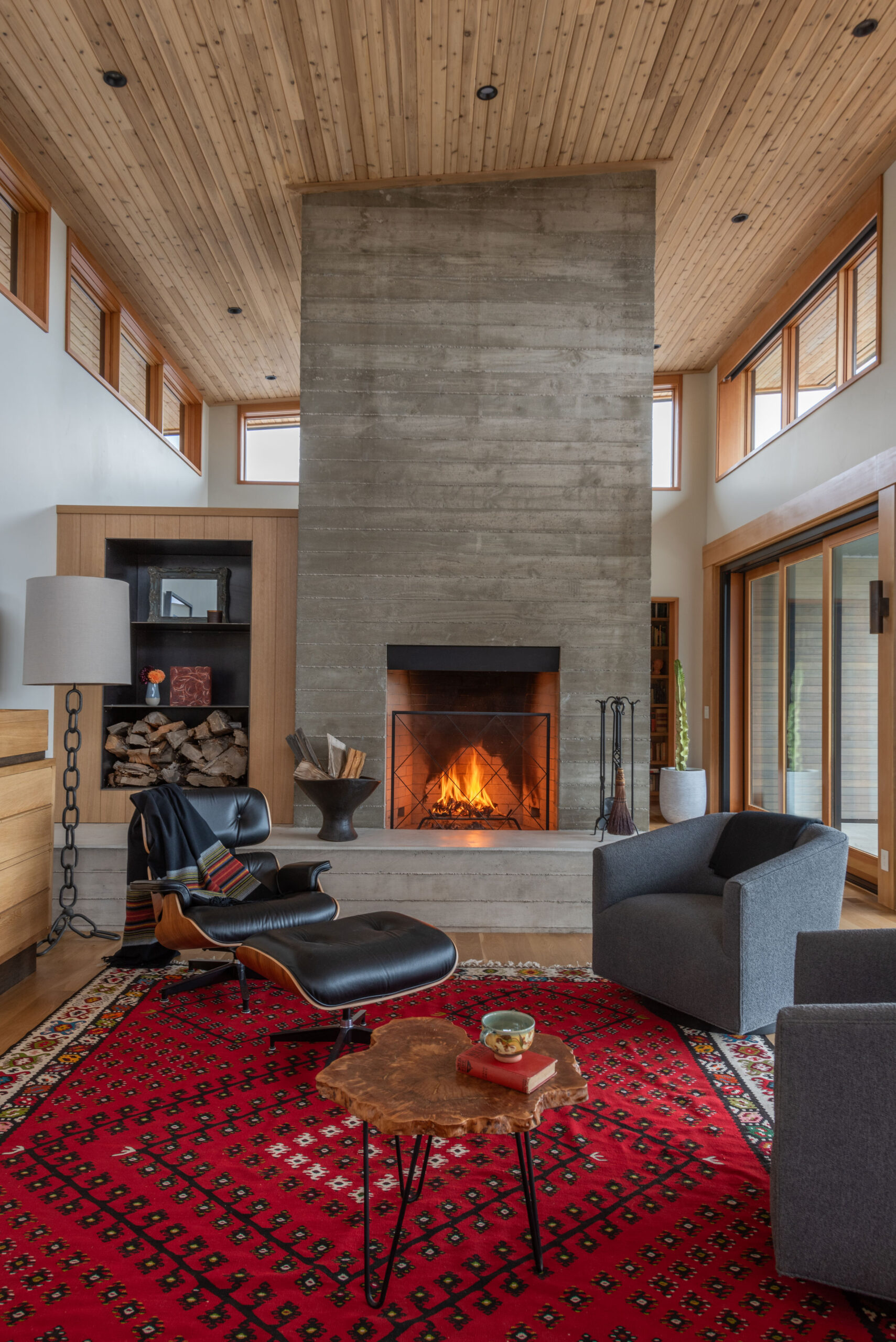
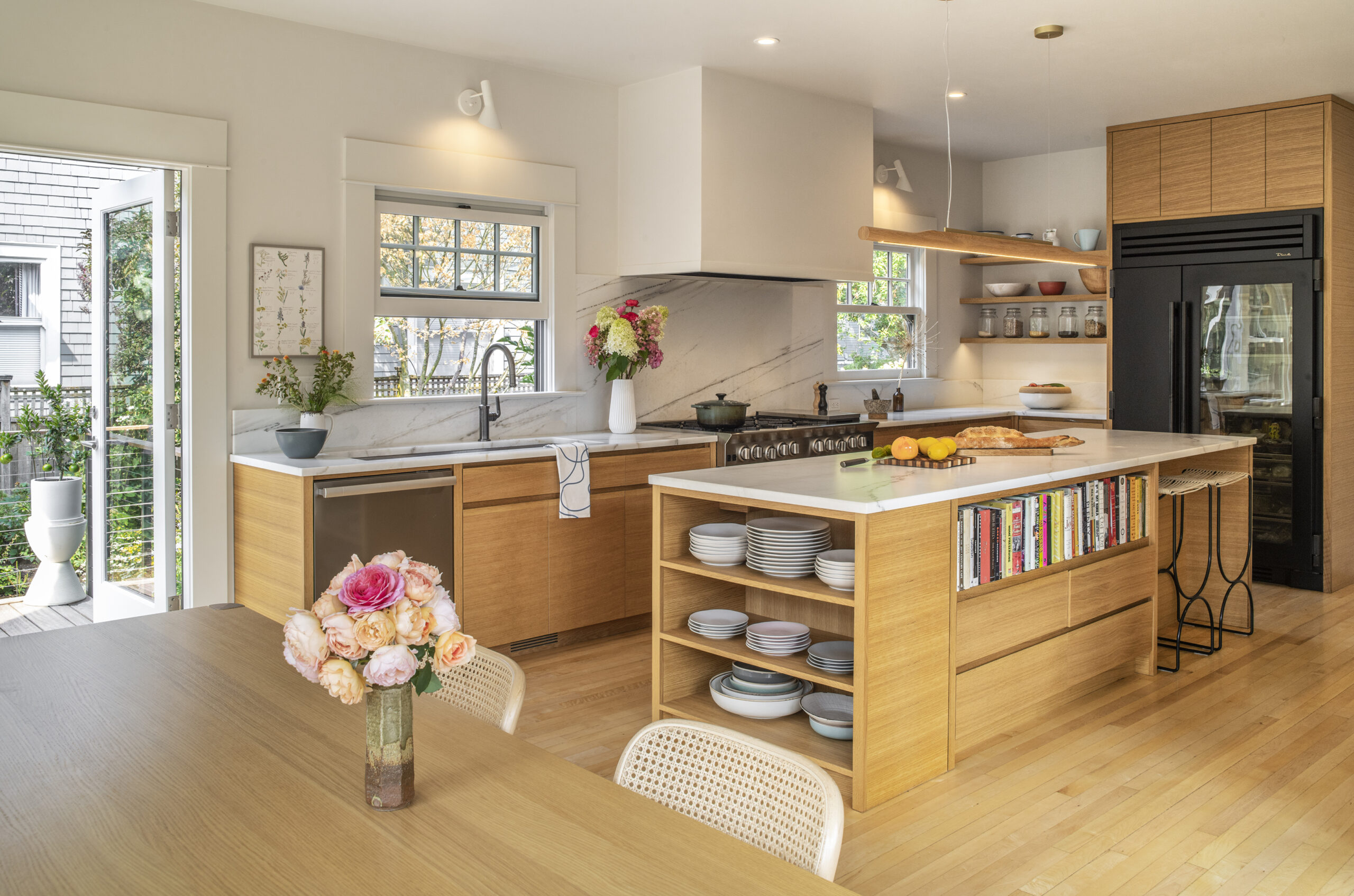
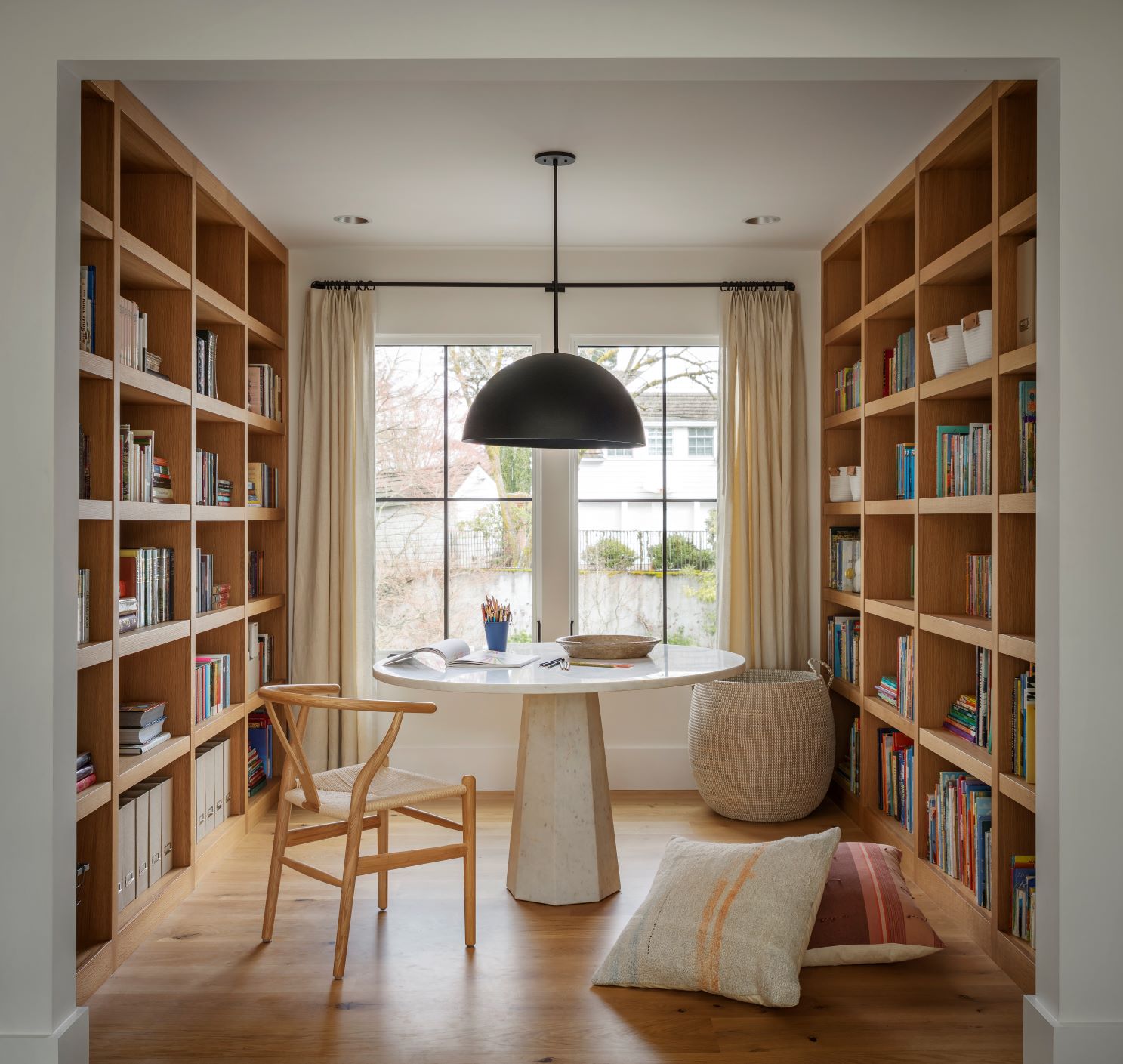
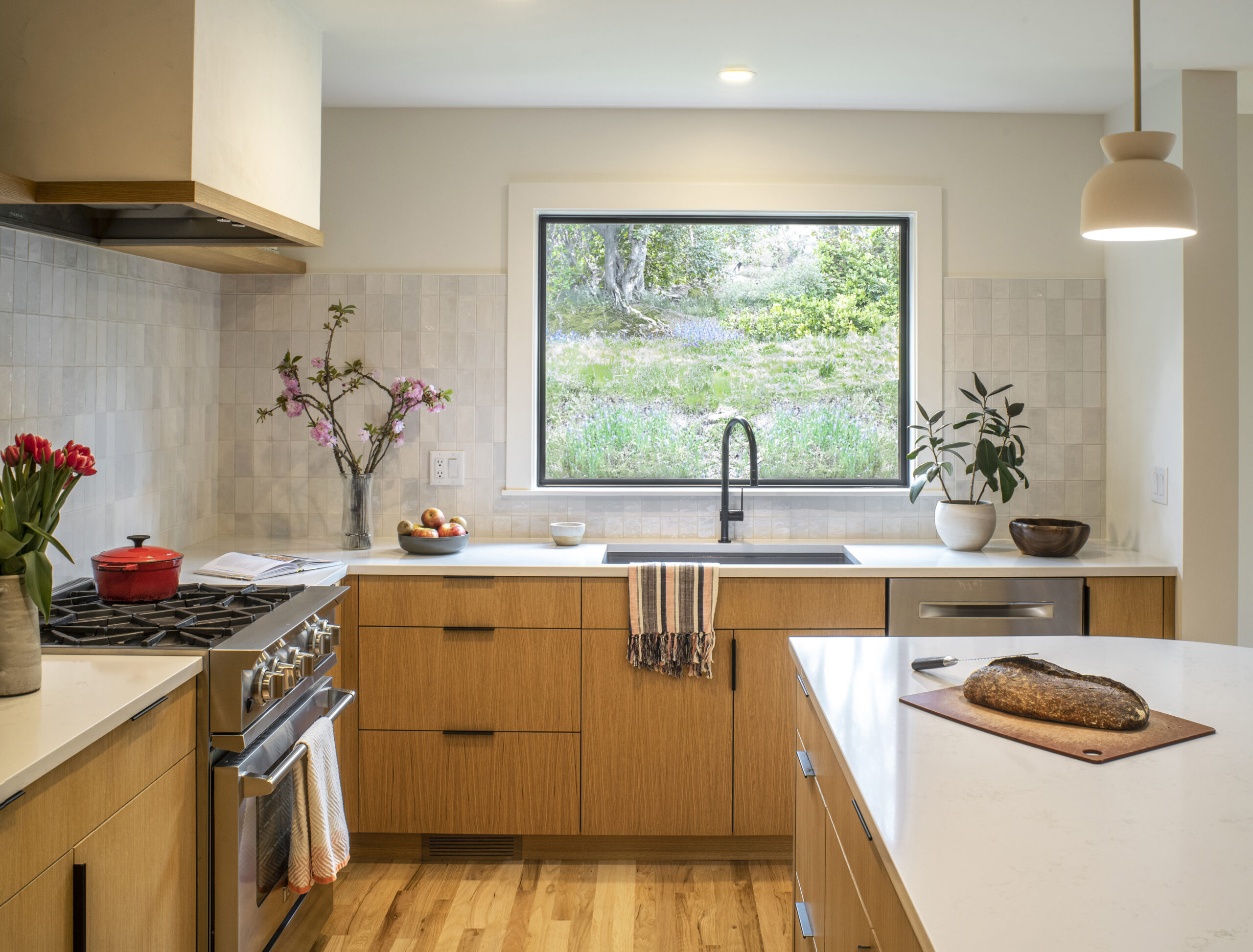
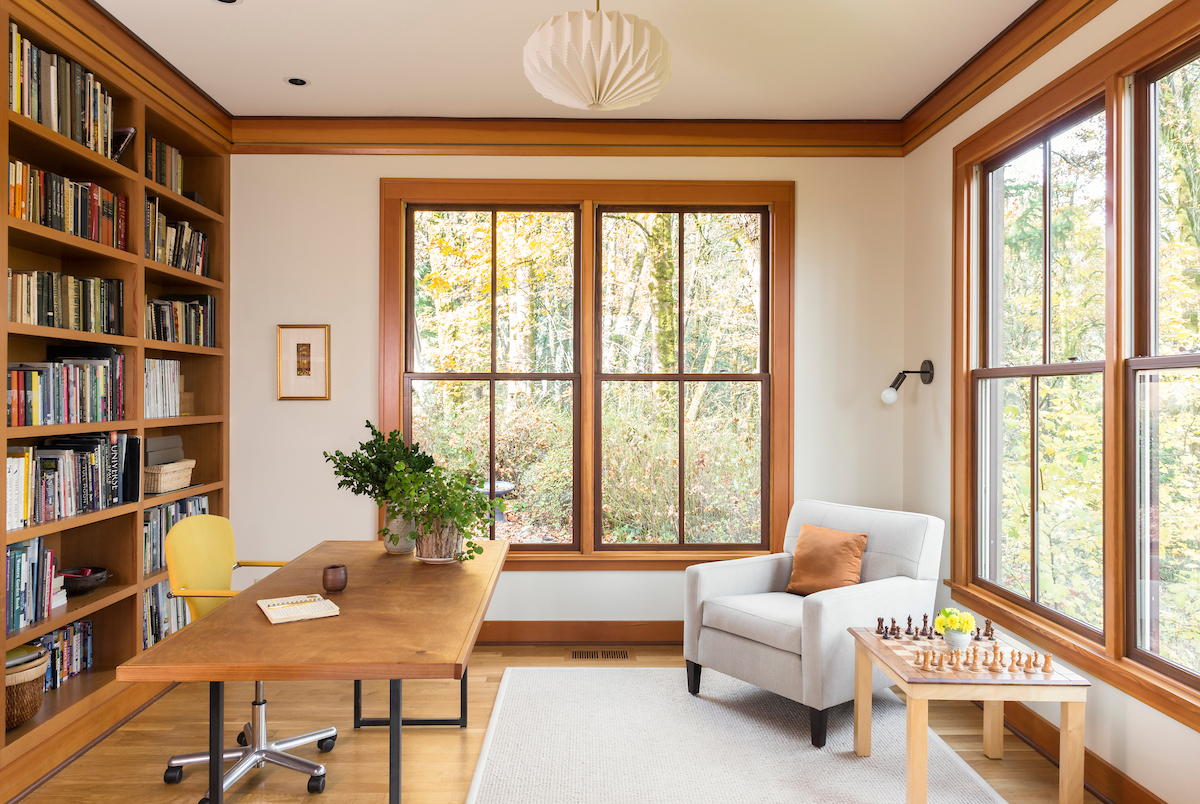
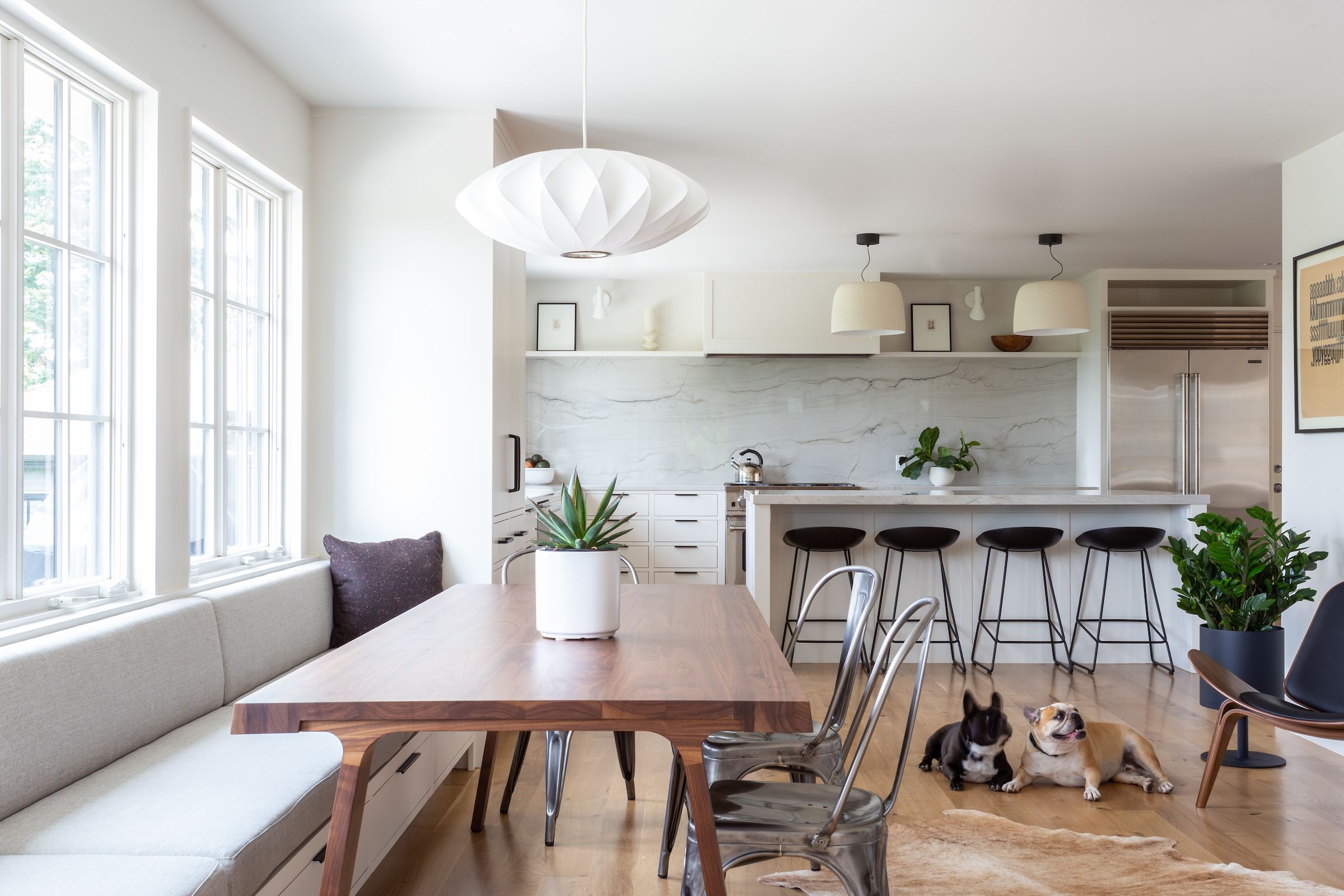
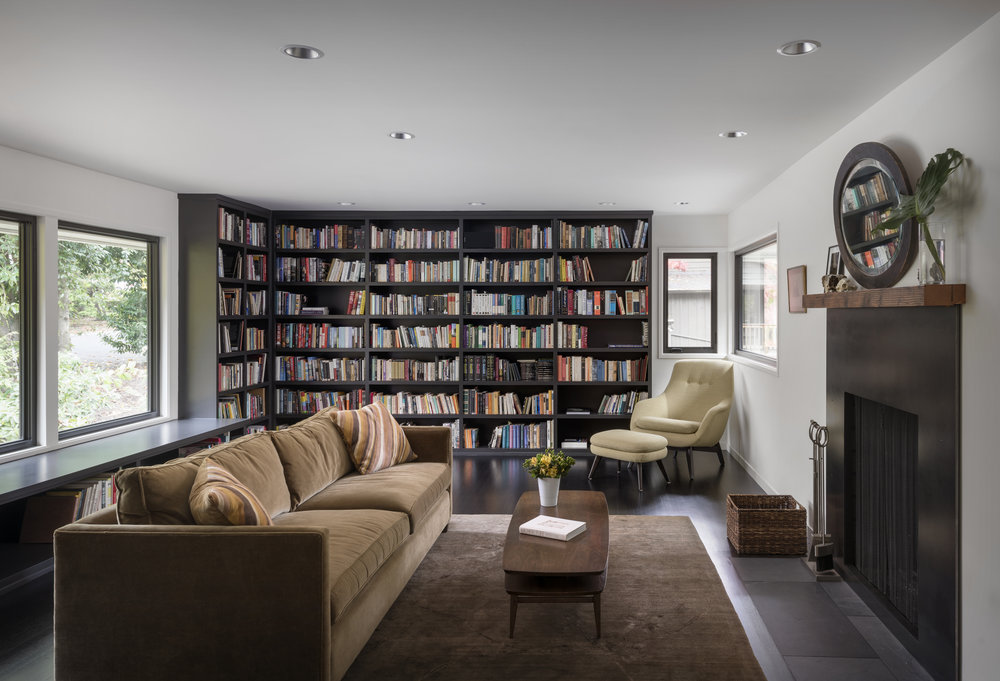
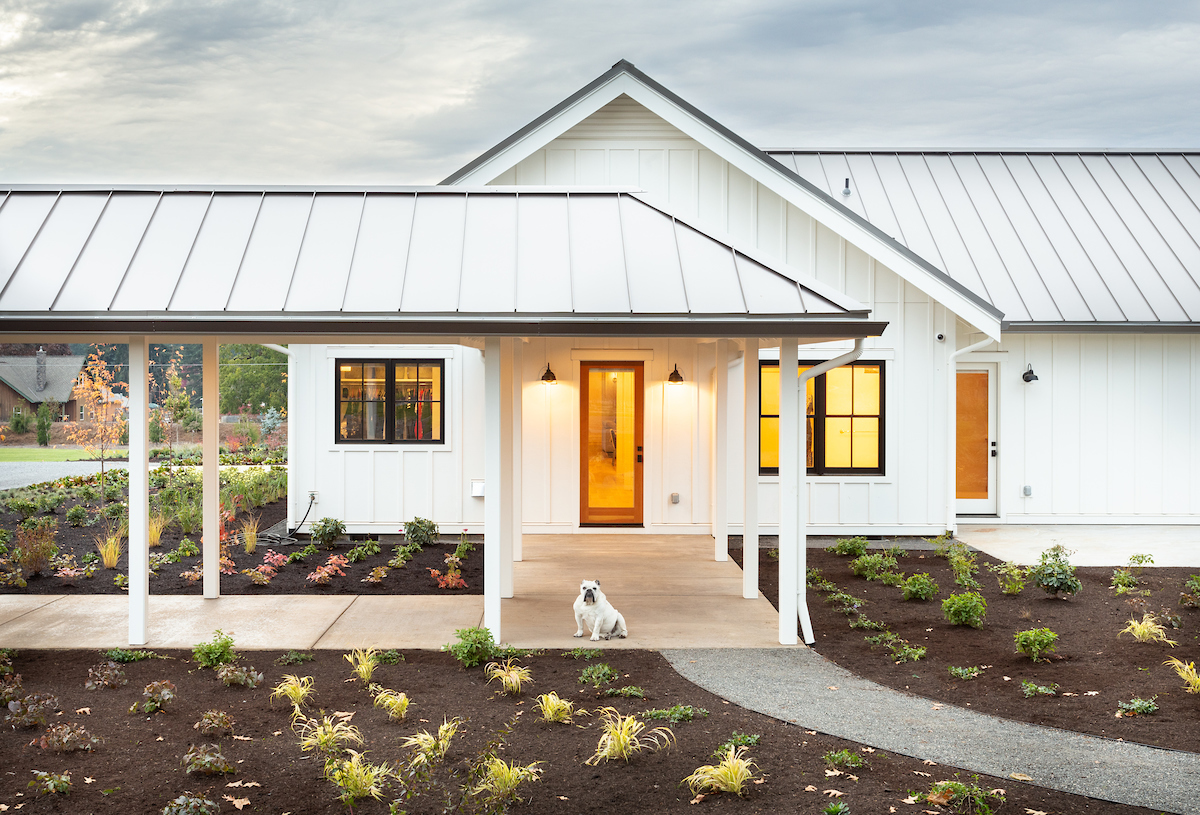
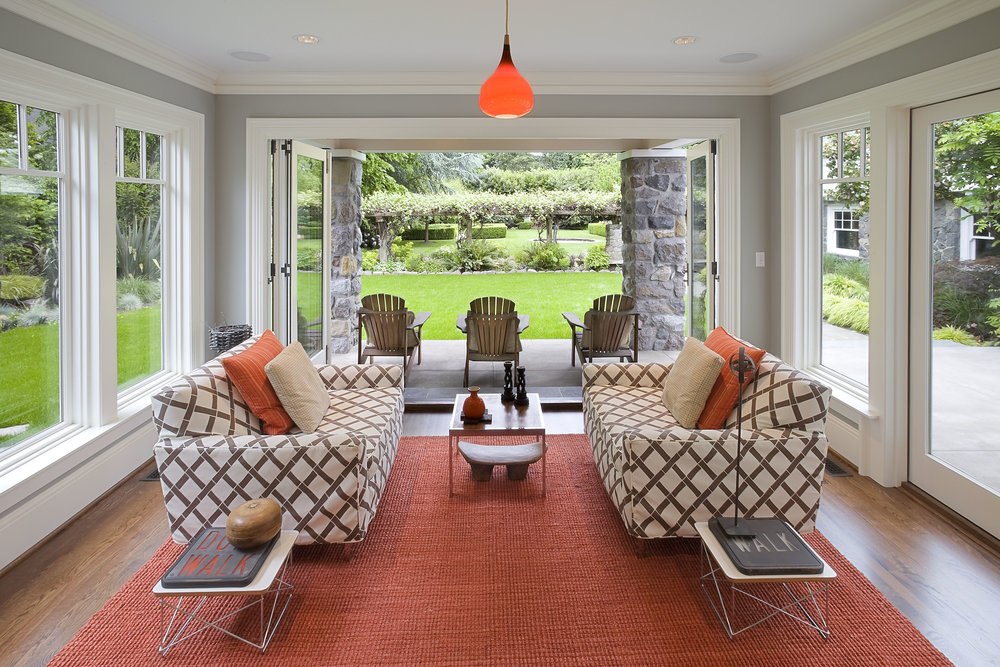
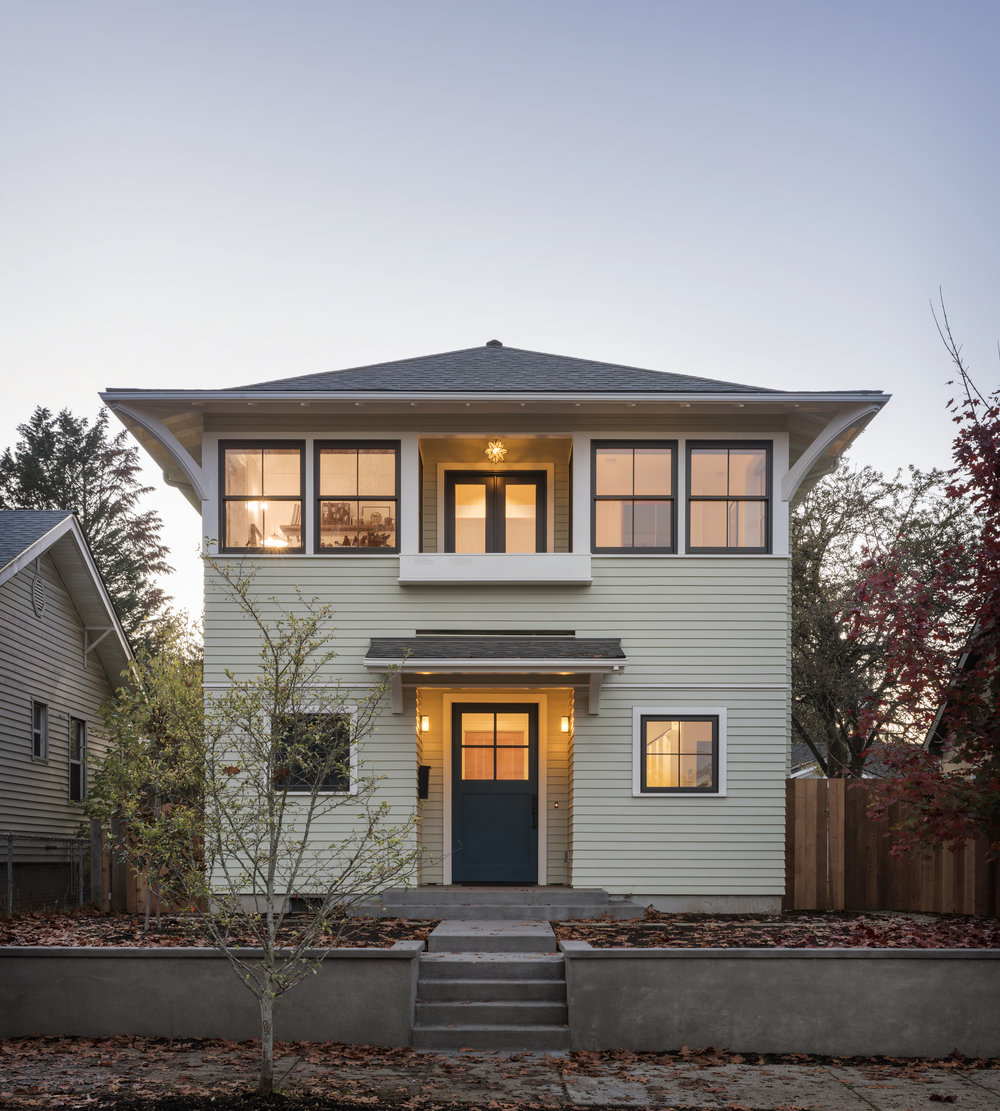
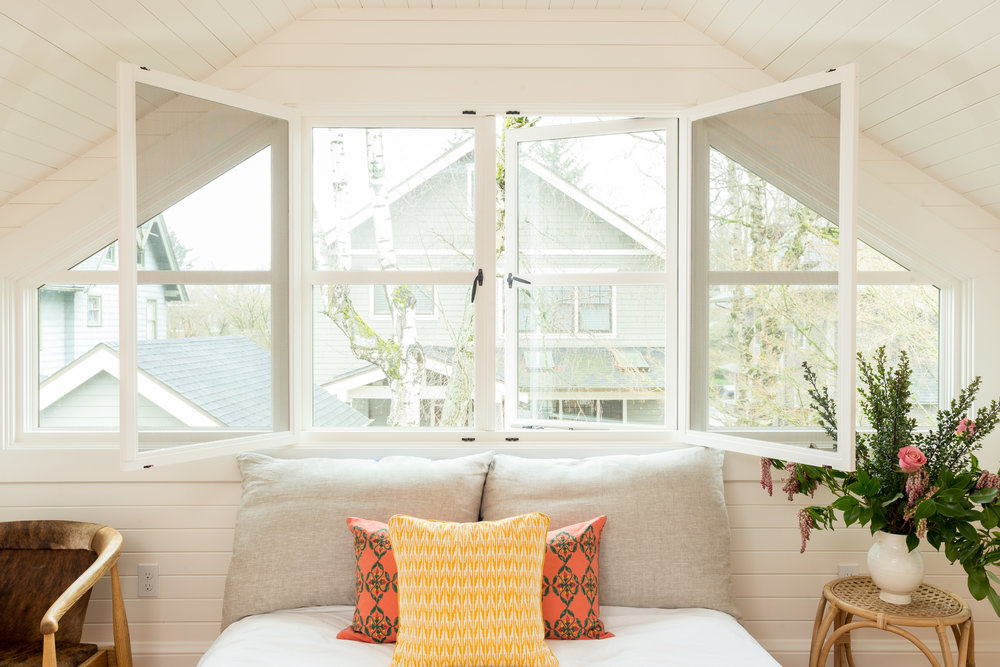
Residential work was always deeply personal. These were not just structures, but the settings of daily life—where birthdays were celebrated, pets slept in sunlit corners, and the warmth of dinner filled the house on winter evenings. Each home carried the weight of private memory, and we approached that responsibility with care.
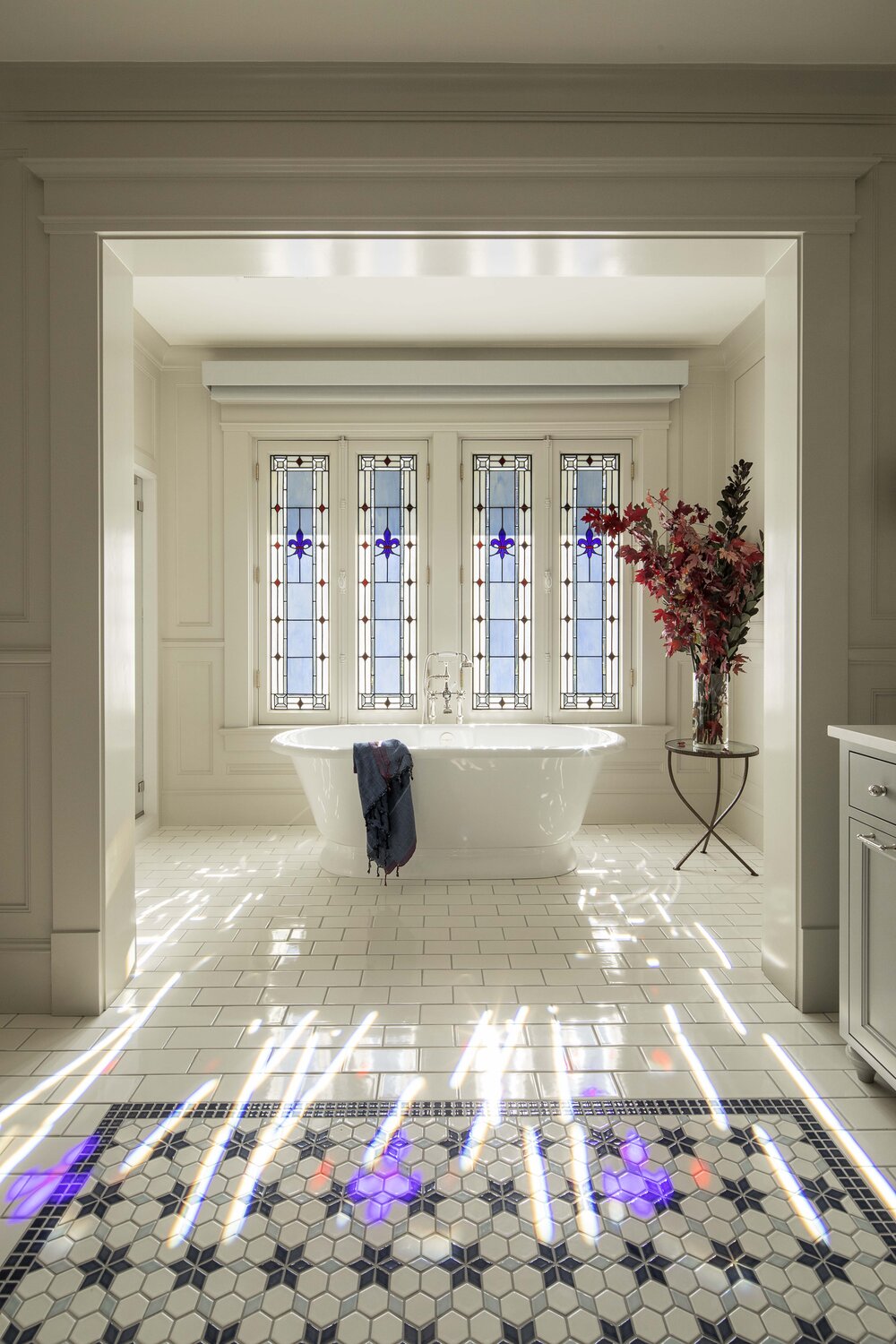
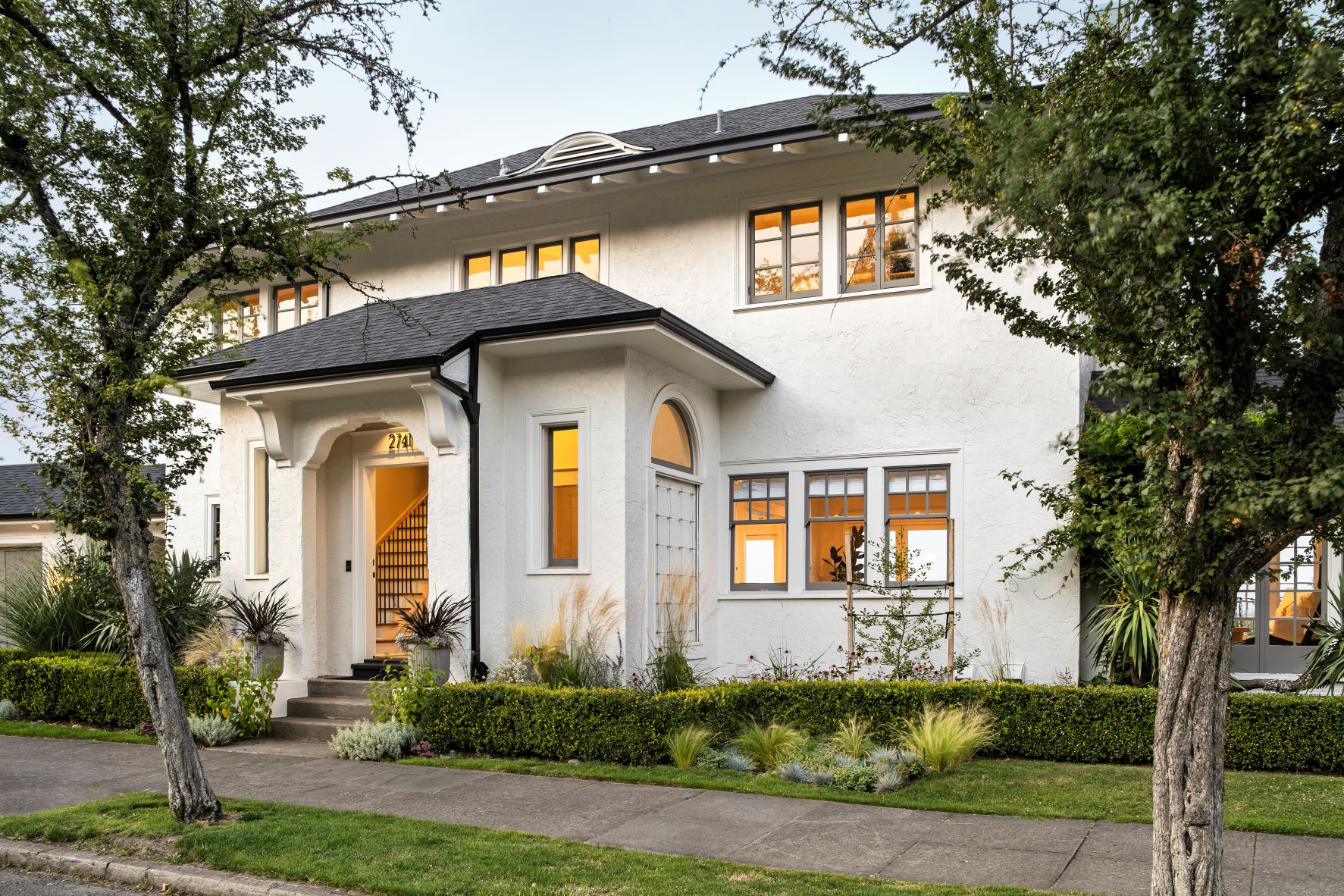
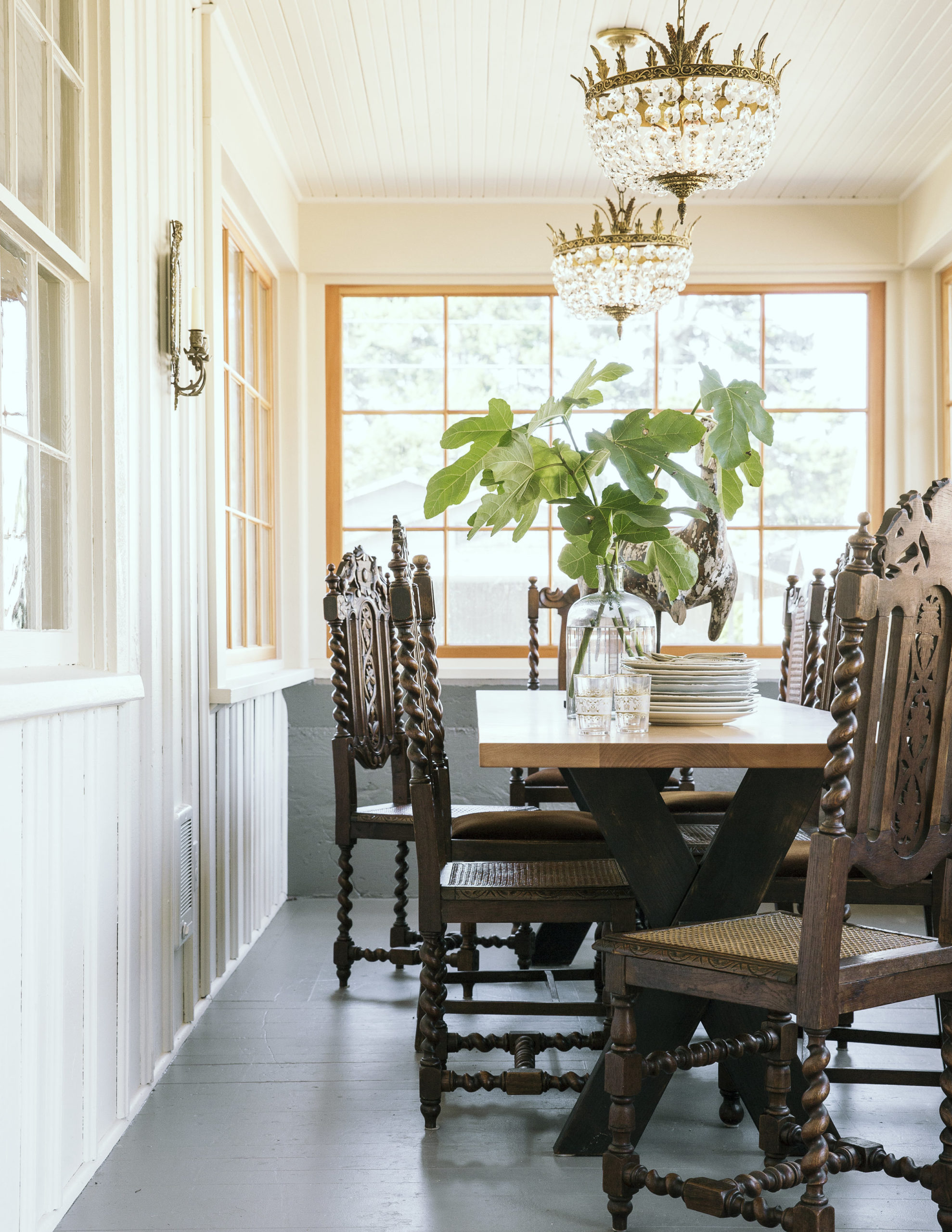
Often, we stepped into houses already loved for generations. Wallpaper peeled, floors bowed, yet the spirit of the place remained. Our role was never to erase that spirit, only to help it breathe again. Guided by the same values that shaped our preservation work, we sought to return each home to itself, revealing the beauty waiting beneath layers of time. In those moments when the light settled just right, we were reminded why we chose this work. Buildings may be made of timber and stone, but home is always made of memory.